19 Best Things to Do in Chiang Rai in 2026: Temples, Tea and Mountain Days
Nineteen worthwhile experiences, arranged so that your holiday does not become nineteen rushed stops.
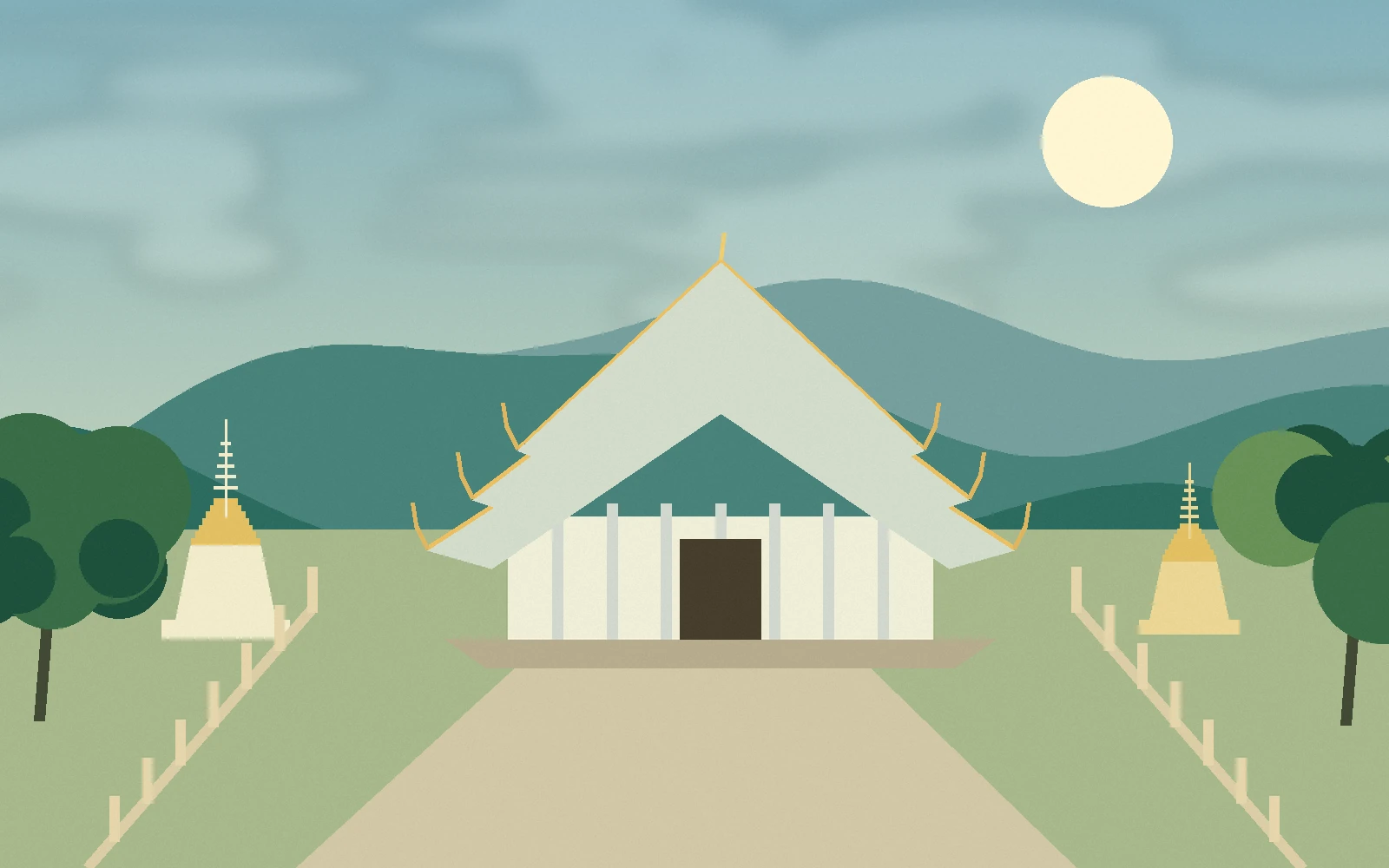
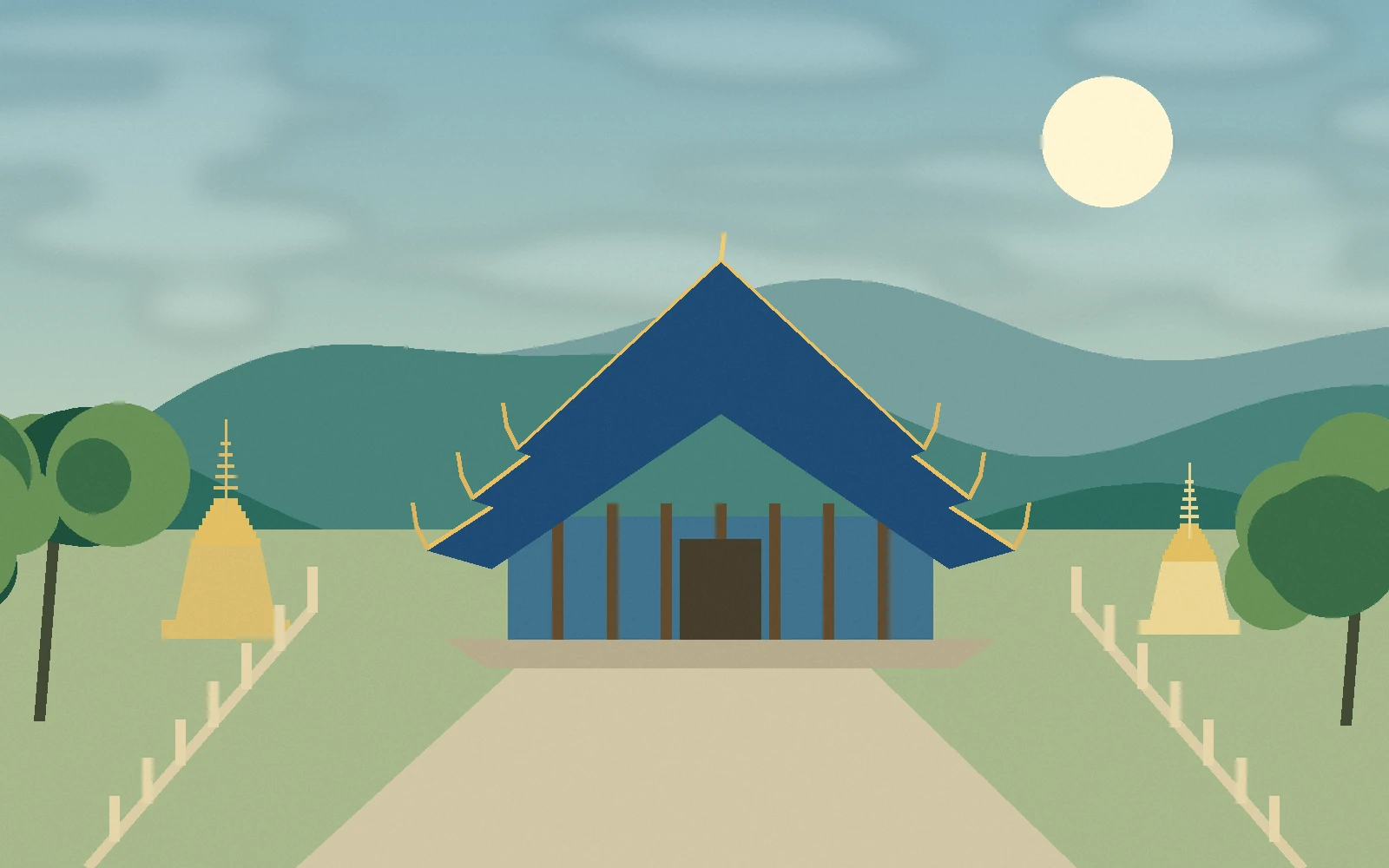
An interpretative Chiang Rai scene, not a literal reproduction of Wat Rong Khun or a geographic panorama.
The best things to do in Chiang Rai do not all sit in Chiang Rai city. Some are straightforward urban stops; others lie along different provincial roads or require a mountain overnight. That distinction matters more than the length of the list. A satisfying first visit groups compatible places and leaves time to enjoy the town between excursions.
This selection includes exactly nineteen experiences, from the White and Blue temples to tea country, cultural collections and a dawn mountain viewpoint. The order begins with accessible first-visit choices, then moves towards more demanding outings. It is an editorial selection based on variety, cultural interest and practical usefulness, not a score derived from commissions or a claim that everyone should complete all nineteen.
For most first-time visitors, I would start with three or four nights, choose one city-and-temple day and one wider excursion, and leave an evening free for food and markets. Research was reviewed on 6 October 2026. Advice is research-led, without invented visits, and published fees or schedules are distinguished from guaranteed conditions.
White Temple plus city time
See the famous art, then give the town an evening.
Mae Fah Luang Art and Cultural Park
A different experience from the coloured temples.
Choui Fong or Mae Salong
Choose a tasting focus, not a race between plantations.
Phu Chi Fa
Plan a nearby overnight and check current access.
Wat Rong Khun: see the White Temple as contemporary art
Why it belongs on a first visit
Wat Rong Khun is the obvious first-time choice, but it is more rewarding when approached as an ambitious contemporary artistic project rather than simply a white building for photographs. TAT identifies it with the work of Chalermchai Kositpipat. Give yourself time to notice the details and the relationship between the structures, not only the familiar approach view. [1]
The temple is outside the central evening-walking area, so include the journey in the plan. Starting with it can work well, but arrival timing should follow the actual opening and your transport rather than a promise that one particular hour is always empty. Popular sites remain popular even when an itinerary describes them as hidden.
Check which parts your ticket covers
Confirm current admission and any separate exhibition charges directly before budgeting. An old online price may not describe the full visit you intend to make. Follow the circulation, clothing and photography rules, especially indoors, and do not stop a moving queue for a long personal photo session.
Wat Rong Suea Ten: the Blue Temple with time to look
A different visual experience
The Blue Temple provides a strong colour and decorative contrast to Wat Rong Khun. Its blue-and-gold treatment is part of why it attracts visitors, but the interior deserves more attention than a quick matching photograph. TAT includes it among Chiang Rai's contemporary cultural highlights. [2]
Combine it with a geographically sensible near-city route rather than assuming all the colour-named attractions stand beside each other. A short list of well-chosen stops gives you time to remove shoes, wait politely, look carefully and leave without making the temple feel like a conveyor belt.
Choose quiet behaviour, not a guaranteed quiet hour
Dress for a functioning religious site and keep voices low where appropriate. If the interior is busy, wait or shorten the photographic part of the visit rather than obstructing other people. A good experience does not require an empty room.
Families should explain the difference between an attraction and a place of worship before entering. Children can enjoy the colour and detail while understanding that some spaces call for stillness. A brief, attentive visit is often better than extending it beyond everyone's patience.
Baan Dam Museum: understand what the Black House actually is
Art, architecture and a different mood
Baan Dam is associated with artist Thawan Duchanee and is a museum and art environment, not simply another temple in a black colour scheme. TAT describes a collection of dark buildings and displays that include animal materials. That makes it a distinct artistic choice rather than an obligatory third colour on a standard tour. [3]
Read enough about the collection to decide whether it interests your group. Some visitors will appreciate the contrast; others, including children or people uncomfortable with animal remains, may prefer a different cultural stop. Skipping it for a clear reason is better than booking a circuit whose content you do not want.
Private transport is useful only with a good route
A private driver can help you spend longer here and shorten a less relevant stop. However, ask whether the service includes cultural interpretation or only transport. The flexibility is most valuable when you have already decided what matters, rather than using it to add more distant places.
Wat Huay Pla Kang: identify the Guanyin figure correctly
More than a distant white statue
Wat Huay Pla Kang combines a large Guanyin figure with other religious structures. It is often loosely described online as a Big Buddha, but Guanyin should not be relabelled simply because the figure is large and white. TAT's attraction coverage identifies the Guanyin association and the multi-building complex. [3]
Visit for the setting and the opportunity to look at the site as a whole. Ask which interior or elevated areas are open and whether they involve separate admission. The experience available on a particular day may differ from a photograph taken from an upper viewpoint.
Suit the visit to the group
Confirm steps, lifts and the actual route before describing the site as accessible for a particular person. A lift to one part does not establish step-free access across the whole complex. Likewise, a clear day and a hazy day offer different views without changing the religious significance of the place.
Keep the visit respectful and avoid presenting the site as a guaranteed quick stop. Time for parking, orientation and moving between buildings belongs in the schedule, even when the main figure is visible from a distance.
Wat Phra Kaew: connect the city with an older religious story
A useful contrast to the contemporary temples
Chiang Rai's Wat Phra Kaew, also written Wat Phra Kaeo, is associated with the story of the Emerald Buddha. The original revered image is now in Bangkok, so do not arrive expecting the same object to remain in Chiang Rai. The temple and its interpretation provide a different cultural context from the contemporary art sites. [4]
This is a good reason to leave time for the city itself. A visit made between quieter streets and an ordinary meal can feel less rushed than another stop on a long provincial drive. Read the site's own explanations and distinguish religious tradition from a historical date that different sources may describe differently.
Look beyond one image
Allow time for the grounds and any open interpretative spaces. Access may vary between the temple area and museum or hall sections, so ask rather than assuming one opening window applies to everything. Respect ceremonies and leave space for worshippers.
Pairing this with another traditional city temple can create a compact cultural morning. You do not need to add every large contemporary complex on the same day to make the visit worthwhile.
Wat Phra Singh: a quieter architectural counterpoint
Make sure you have the Chiang Rai location
Chiang Rai has a Wat Phra Singh, distinct from the temple of the same name in Chiang Mai. TAT's Chiang Rai listing describes its religious associations and notable door-panel artwork. Use the exact city and map location when planning rather than selecting the first familiar search result. [5]
The value of this stop is the chance to look carefully at a traditional religious setting and decorative details. It can be especially useful after a highly photographed contemporary temple because it shifts attention from spectacle to the character of the building and its ordinary use.
Keep a small city circuit genuinely small
Combine nearby stops according to a comfortable walking or short-ride route. Do not assume that because the city is smaller than Chiang Mai, every route will be pleasant in midday heat. A break for water and shade helps preserve attention.
If your group is reaching temple fatigue, stop after this visit and change the afternoon's focus. A cultural itinerary should support curiosity rather than continue simply because another name remains on the list.
The clock tower: build it into an evening, not a separate expedition
An easy city landmark
The gold-toned clock tower stands at a working roundabout and is a useful central landmark. TAT publishes short light-and-sound shows at 19:00, 20:00 and 21:00, checked on 6 October 2026. Confirm local operation rather than making an entire evening depend on an unchanging schedule. [6]
The sensible approach is to combine it with dinner or a walk already taking you nearby. Arrive with a little time to find a safe viewing position, then enjoy it as a small part of the evening. There is no need to pay for a long separate transfer solely to watch a brief display.
Stay out of the traffic
A roundabout is not a pedestrian photography platform. Watch from a safe public position and avoid stepping into the carriageway for a symmetrical image. The fact that another visitor is doing so does not make it sensible.
For families, settle the viewing spot before the lights begin so nobody is trying to move through traffic while distracted. Then keep the next step simple: a nearby meal or a return to the hotel is enough.
Chiang Rai Night Bazaar: an easy introduction to the evening city
Browse before committing to dinner
The Night Bazaar combines shopping, food and an evening visitor atmosphere. TAT lists handicrafts, local products and performances among its features, but the exact stalls and entertainment can vary. Treat it as a flexible evening area rather than a ticketed show with a guaranteed programme. [7]
Walk through first, notice where you can sit and decide how much you actually want to eat. Small purchases and a comfortable meal can be more enjoyable than ordering several full dishes immediately. Ask about ingredients and preparation where dietary needs matter.
Add explanation when it interests you
A food experience can be useful when you want to understand regional dishes rather than only choose from photographs. Check the menu, portions, walking distance and dietary arrangements before booking. A tour does not guarantee suitable food for a serious allergy, and a tasting count does not tell you how much explanation is included.
Leave space for an independent evening too. Returning to a meal you enjoyed is a perfectly good use of holiday time and helps the city become more than a place between day trips.
Saturday walking street: choose the right evening market
Not the same event as the Night Bazaar
Chiang Rai's Saturday walking street, Kad Chiang Hai Ram Luk, is a separate evening experience from the Night Bazaar. TAT describes its food, crafts and cultural atmosphere. Plan around the day of the week rather than assuming every market name refers to the same place operating every night. [2]
For a Sunday stay, the separate Kon Muan walking street provides another possibility, according to TAT. Confirm the current local operation, particularly around weather or special events. This list counts the weekend walking-street experience once rather than padding the total with several very similar evenings. [8]
Let the market remain a working public space
Keep clear of stall access, ask before photographing people and carry a practical payment alternative. Do not expect every seller to have change for a large note or accept the same digital payment method you use at home.
A market evening is a good reason to choose a useful city base. It is less relaxing when the accommodation is far away and the return has been left to chance. Confirm that part of the plan before becoming absorbed in browsing.
Mae Fah Luang Art and Cultural Park: a different kind of cultural depth
Do not confuse it with the mountain garden
The Mae Fah Luang Art and Cultural Park is a cultural collection near the city, not the Mae Fah Luang Garden on Doi Tung. The foundation describes its development into a centre for Lanna arts and artefacts. They share a name association but are different places with different journeys. [9]
Choose the cultural park when you want more context and a less photograph-led visit. Give yourself time for the collection and setting instead of trying to fit it into the last spare minutes before a pickup. The value comes from attention, not simply entering the grounds.
Verify the current visitor arrangement
Check opening days, current exhibitions, admission and any guided arrangements directly. A general description of the collection does not establish that every hall is open on your chosen day. This matters especially when you have only one available afternoon.
For travellers reaching temple fatigue, this can be a useful change of emphasis while remaining connected to northern culture. However, it is still a cultural visit, not an activity to add merely because the weather has interrupted a different plan.
Singha Park: choose scenery and a comfortable break
Use the landscape without buying every activity
Singha Park offers managed landscapes, food stops and a range of paid activities. Its own site describes tea-related areas, transport options and recreation. You can choose the aspects that interest you without treating the complete activity menu as a requirement. This guide favours scenery and a comfortable break rather than endorsing animal-contact experiences. [10]
The official contact page publishes general hours of 09:00-18:00, checked on 6 October 2026, but individual activities may have shorter operating windows. Confirm the specific service you intend to use rather than arriving near closing and expecting every option to remain available. [11]
Avoid a misleading free-day assumption
A landscape stop, food, hired equipment and organised activities may have different costs and conditions. Ask for the total before choosing a combination. A pleasant short visit can be better value than several add-ons selected because they are available rather than because you want them.
This can fit a south-west-focused route, but do not automatically combine it with a demanding waterfall walk and several temples. Decide which part of the day should be active and which should provide a rest.
Khun Korn Waterfall: give the forest walk its proper time
The walk is part of the attraction
Khun Korn, also written Khun Kon, is reached by a forest approach rather than a roadside viewpoint alone. TAT describes approximately 1.4 kilometres from the park office to the waterfall. That means allowing for the return as well as the outward walk, with extra time for conditions and stops. [12]
Wear secure footwear and assess the path after rain. A short distance can still involve slippery ground, roots or uneven sections. The waterfall's appearance should not encourage you to go beyond barriers, enter unsafe water or keep walking when the route has been closed.
Confirm access before committing the day
The published opening information is not a guarantee against temporary closure. Ask locally or through the park contact when recent weather makes access uncertain, and keep another south-west option available. A last-minute closure is easier to handle when the entire day is not built around one narrow appointment.
For anyone with limited mobility, request details about the actual path rather than accepting a generic nature-walk description. A shorter, accessible cultural stop may be the better choice, and the group can still have a worthwhile shared day.
Choui Fong: make a tea stop about tea
More than a viewpoint and a drink
Choui Fong provides a well-known tea-growing landscape and visitor setting north of the city. TAT describes the plantation and tea-related visitor experience. Choose it because you are interested in the landscape and product, not because every Chiang Rai itinerary appears to require the same photograph. [2]
Ask what can actually be observed during your visit. A cafe stop, a tasting and access to production are different experiences; do not assume the last is included because fields are visible. Stay within permitted areas and keep clear of workers and cultivated rows.
Compare it with the longer Mae Salong option
For a shorter first visit, one focused tea stop may be enough. Mae Salong offers a broader village-and-mountain stay, but adds a different road journey and more time. You do not need both unless tea is a particular interest and the route supports it.
A good tea-country guide should explain what the visit includes and how long you will spend there. A tour described as a plantation experience may still consist mainly of transport and a cafe break, so read the detail.
Doi Tung: gardens, the royal villa and a wider development story
Give the mountain setting a complete block
Doi Tung combines the Mae Fah Luang Garden, royal-villa context and the wider development project associated with the Princess Mother. The foundation's material explains that background. It is a different excursion from visiting the city cultural park, and should be given its own road and walking time. [13] [14]
Check which parts of the garden, villa or associated attractions are included in the ticket available for your date. Clothing requirements, access and opening arrangements may differ between areas. Buying a broadly named Doi Tung outing does not automatically establish that every component is covered.
Choose depth over a crowded northern loop
The garden can be enjoyed without rushing immediately onwards to another mountain town. If you add a tea stop, ask the driver to explain the full route and whether the time at Doi Tung remains adequate. A map line that looks compact can still conceal slow, winding sections.
Use the visit to understand the project rather than presenting the landscape as an empty beauty spot. People live and work in the surrounding area; photography and roadside stops should respect that everyday use.
Mae Salong: tea, Santikhiri and a worthwhile overnight
A village visit rather than a quick plantation replacement
Mae Salong, including Santikhiri, has a distinct Chinese-Yunnan-linked history and a tea-growing economy. TAT notes that production or harvesting visits may need advance appointments. That is a reason to organise the learning part beforehand rather than assuming you can walk into any facility because a tour passes nearby. [15]
Allow time for a meal, a tea conversation and the village itself. Buying a small amount of tea after tasting can be more meaningful than racing through several shops. Ask what you are purchasing and how it is best prepared, rather than choosing solely by the most elaborate packaging.
When staying over improves the visit
An overnight can make sense when you want the quieter morning and do not want both mountain drives in one day. Confirm meals, bedding, arrival access and the morning activity before booking. A remote room is only relaxing when its practical arrangements are clear.
Be respectful when visiting community areas. Ask before photographing people or entering working spaces, and avoid language that presents residents as exhibits. A meaningful visit depends on consent and ordinary courtesy as much as scenery.
Doi Chang: a coffee-focused mountain day
Follow the product, not just the cafe view
Doi Chang is associated with coffee cultivation and production in Mae Suai district. TAT also describes narrow and steep road sections. This is a distinct mountain route, not a small addition to a northern tea circuit simply because both involve hillside agriculture. [16]
Choose it when coffee is a genuine interest. Ask whether a visit includes a farm, processing explanation, tasting or only a cafe stop, and confirm any appointment needed. Understanding one stage of production can add more than visiting several scenic counters without learning how their coffee differs.
Consider whether the drive fits the day
A private driver can be useful when you are unfamiliar with the road, but the route still requires time and suitable conditions. Avoid adding a fixed evening departure that encourages everyone to hurry back. Let the day remain focused on the coffee area rather than using it as a stepping stone to another distant attraction.
If the weather removes the view, ask whether the product-focused part remains worthwhile. A good reason for choosing Doi Chang should survive some change in the photograph, even though unsafe road conditions may still require a different plan.
Chiang Saen: older Lanna heritage beside the Mekong
Choose an archaeological focus
Chiang Saen offers a different historical scale from the contemporary temples around Chiang Rai city. Wat Pa Sak is one useful heritage stop, with TAT highlighting its early Lanna stucco work and architecture. Treat it as a site to understand, not merely another stupa on the way to the border viewpoint. [17]
The published entrance fee is 50 THB, checked on 6 October 2026; confirm the current conditions at the site. Leave enough time for a slow look and a break in the wider town. The combination of heritage and river setting is more rewarding than a quick photograph followed immediately by another drive. [17]
Keep the river context separate from a border crossing
A visit on the Thai side does not require an international excursion. Check current regional advice and remain clear about where an organised route goes. A boat segment, museum visit and border crossing are separate activities with different requirements, even when they appear under the same Golden Triangle label. [18]
Do not add the whole tea-and-mountain north to the same day automatically. Chiang Saen can supply a complete theme of its own, particularly for travellers who enjoy history more than a rapid sequence of viewpoints.
The Hall of Opium and Golden Triangle: choose the named museum
History rather than a vague border photo stop
The Hall of Opium uses exhibitions to explain the history and consequences of the opium trade. It is not the same institution as the House of Opium, which also appears in local listings. Confirm the exact name and location in any itinerary so the visit matches what you intended to book. [19] [20]
TAT's Hall listing gives a foreign-adult admission of 200 THB, checked on 6 October 2026. Reconfirm current opening and ticket conditions directly. Historic foundation pages do not by themselves prove present management: the foundation published a transfer notice in 2022. [19] [21]
Give serious interpretation enough time
This subject deserves more than a quick stop before another viewpoint. Consider whether the displays suit the children in your group and leave time to read rather than only walk through. Then use the wider river setting as context, without treating proximity to another country as a reason to cross it.
Check whether any boat or international element is optional, what documentation is required and what current official advice says. A Thai-side heritage day can remain entirely worthwhile without an added border activity. [18]
Phu Chi Fa: a dedicated dawn mountain experience
Plan the overnight, not just the sunrise
Phu Chi Fa is a mountain viewpoint associated with dawn and a possible sea of mist. TAT describes the common approach of staying near the base before the early climb. That is a different trip shape from an ordinary city hotel day, and it needs its own transport, clothing and access checks. [22]
Make the early start safe and practical
Confirm who takes you to the access point, what walking is involved and how you return. Carry a suitable layer and lighting, keep away from exposed edges and follow local restrictions. Do not add a same-morning city flight after a dawn viewpoint; the route should not depend on every stage going perfectly.
A nearby room must actually be useful for the access point you intend to use. Ask for the journey details rather than trusting a broad mountain-area label. Facilities can differ substantially between properties, so confirm the basics before booking.

Group the things to do in Chiang Rai into sensible days
Use geography to shorten the shortlist
The most useful planning exercise is to group the nineteen choices before booking anything. A city evening, a south-west day, a northern tea route and a far-eastern mountain overnight have different transport needs. Trying to combine them because they share the Chiang Rai label produces long drives and abbreviated visits.
| Route block | Places that can fit the theme | Do not automatically add |
|---|---|---|
| City and near-city culture | Traditional temples, clock tower, markets, selected art sites | A distant dawn mountain viewpoint |
| South/southwest focus | White Temple, Singha Park or Khun Korn as conditions allow | Every northern tea and border stop |
| Northern art and tea | Baan Dam, a tea visit and selected nearby stops | Both Mae Salong and Doi Tung without checking the full drive |
| Chiang Saen and Golden Triangle | Heritage, Mekong setting and one named museum | An unplanned international crossing |
| Dedicated mountain stay | Phu Chi Fa or another chosen mountain base | A same-morning city flight connection |
On a small screen, scroll within the table to compare every column.
Treat these as planning themes rather than guaranteed same-day combinations. Road conditions, opening arrangements and the time you want at each site can change what fits. Ask a driver to explain the actual sequence instead of accepting an all-highlights promise without timings.
Pick the must-have, then add a compatible contrast
Families and mixed-interest groups particularly benefit from this approach. One person may value tea or art far more than another, so build a day that allows attention and recovery. Not every hour needs an attraction, and not every attraction needs the whole group to participate identically.
Getting there and arranging local transport
Check the exact arrival and departure points
Compare the actual date-specific options from Bangkok or Chiang Mai, including the final hotel transfer. An arrival time that looks early can still leave you waiting for a room or recovering from overnight travel. Keep the first activity flexible unless the connection is genuinely protected.
For buses or vans, verify the terminal rather than relying on a destination label alone. Carry the confirmation and accommodation address offline. If the property is outside the centre, agree the final transfer beforehand so arrival does not become a separate negotiation when you are tired.
Outside the centre, solve the return as well
A hired driver or carefully chosen tour can make provincial sights manageable without a scooter. Specify the route, duration, waiting and final drop-off. Ask whether guiding, admission and meals are included. A transport service should not be represented as an interpreted cultural tour when it is not one.
Self-driving or riding requires the correct licence, insurance, experience and current road awareness. Mountain scenery is not a reason to learn an unfamiliar vehicle on the trip. Follow official safety advice and choose a lower-effort transport arrangement when the route exceeds your comfort. [23]
Where to stay for city evenings or mountain mornings
Central Chiang Rai for most first visits
A central base makes meals, markets and short evening walks easier to arrange independently. Check the exact street and room position rather than assuming every central property is quiet. For a short stay, that everyday convenience usually matters more than having the most extensive hotel grounds.
| Base | Best fit | Trade-off |
|---|---|---|
| Central Chiang Rai | Short first visit and independent evenings | Less of a resort setting |
| River or edge-of-city stay | More space and a quieter property focus | Meals and outings may need rides |
| Mae Salong | Tea, village time and a mountain overnight | Adds a separate road and accommodation plan |
| Phu Chi Fa area | A deliberate dawn-viewpoint visit | Variable facilities and an early mountain start |
On a small screen, scroll within the table to compare every column.
A river-area or edge-of-city property can suit a more relaxed, accommodation-focused stay. However, ask how you reach dinner and return after dark. The view is valuable only when the transport requirements also suit the holiday you intend to take.
Compare equivalent rooms and conditions
Breakfast, room type, taxes, occupancy and cancellation rules can alter the apparent price difference between platforms. Compare the same stay rather than choosing the lowest number from two different room categories. A flexible rate may also be useful when a mountain extension depends on weather.
Keep most of a first visit in one base and move only when the new location changes the experience meaningfully. Mae Salong or Phu Chi Fa can justify an overnight; another city hotel usually does not justify repacking simply because a different attraction is slightly closer.
Only one full day? Choose between two honest versions
Temple art with an evening in town
One version gives the main daytime block to the White Temple and one other contemporary site, with transport arranged for the complete route. After lunch and a break, choose a traditional city temple only if there is still interest and time. Finish near your accommodation so dinner and the evening landmark do not require another long journey.
This version suits a first visit when the famous contemporary art is the main reason for coming. Its success depends on leaving enough time inside the selected sites rather than adding every colour-named attraction. Ask the operator to preserve those visits when a queue or delay occurs instead of compressing them to keep extra stops.
Cultural collection and a more local day
The alternative places the Mae Fah Luang Art and Cultural Park at the centre, with a confirmed opening arrangement, then combines it with selected city streets, food and one traditional temple. It sacrifices some famous photographs in exchange for a less dispersed day. That can be the stronger choice for someone already familiar with the White Temple or more interested in northern cultural objects.
Neither version includes tea country, Chiang Saen and a mountain sunrise. Those omissions are deliberate. A single full day can reveal a worthwhile part of Chiang Rai, but it cannot become a comfortable provincial overview simply by shortening every stop. Use your departure time and energy as real boundaries, and choose the version whose central experience matters most.
A three- or four-night first-visit plan
Start with the city and one focused temple route
Use the arrival evening for a short walk and a nearby meal. On the first full day, choose the contemporary temple art that most interests you, then leave time for a traditional city site and a rest. A market or clock-tower evening can follow without requiring another long drive.
| Day | Main purpose | A sensible shape |
|---|---|---|
| Arrival | Settle into the city | Check in, short local walk, dinner close to the hotel |
| Full day one | Temple art and urban context | A focused temple route, a rest and an evening market |
| Full day two | One wider theme | Tea country, Chiang Saen or a south-west nature/art route |
| Additional day | Depth rather than more driving | Cultural park, food experience or a dedicated mountain extension |
On a small screen, scroll within the table to compare every column.
On the next full day, select one wider theme: tea country, Chiang Saen and a named museum, or a south-west combination adapted to conditions. Do not book all three and hope that short stops make them fit. The province rewards a decision about what to leave for another visit.
An extra night should create depth
A fourth night can support a cultural-park visit, a food experience or more flexible city time. A mountain overnight is another possibility, but then redesign the route around it rather than bolting it onto the end. Protect the final journey and allow the dawn outing to remain separate from a major departure.
The best itinerary is the one whose ordinary hours work well: meals at sensible times, manageable driving and enough sleep. A list of nineteen possibilities is a menu for choosing, not a performance target.
Let the last morning remain local
Use the departure morning for breakfast, a short nearby walk or an unfinished city stop that genuinely fits. Keep luggage storage and the terminal transfer settled first. Adding a distant temple because it looks close to the airport on a small map can create unnecessary risk when the road or visit takes longer than expected.
This is also the moment to check fragile purchases and make sure transport confirmations are available offline. A calm final hour is part of a well-planned stay, not empty time that needs another attraction.
Fees, weather and respectful travel
Use published references cautiously
The table below collects a few concrete reference points, each reviewed on 6 October 2026. They are not a complete trip quote. Tour transport, private guiding, separate exhibitions, food and accommodation remain additional unless explicitly included in a booking.
| Published reference | Amount or time | How to use it |
|---|---|---|
| Wat Pa Sak | 50 THB | Checked 6 October 2026; confirm at the site |
| Hall of Opium | Foreign adult 200 THB in TAT listing | Checked 6 October 2026; reconfirm current ticket conditions |
| Clock-tower light shows | 19:00, 20:00 and 21:00 | Checked 6 October 2026; confirm local operation |
| Khun Korn walking approach | 1.4 km each way in the official description | Allow time for the return and current trail conditions |
On a small screen, scroll within the table to compare every column.
For major attractions where current ticket conditions are unclear, confirm directly rather than relying on a widely repeated older amount. Carry a suitable payment alternative and ask whether a child rate depends on age, height or another condition. The lowest price in an old blog is not a reliable budget ceiling.
Keep conditions and communities in the plan
Weather, smoke and road access can change the value or suitability of mountain days. Review current health and regional advice, and keep cancellation terms in mind when booking the most condition-dependent part of the trip. A clear-looking photograph cannot establish safe air or road conditions for your date. [24] [18]
In temples and communities, follow dress, photography and access rules, ask before photographing people and avoid presenting residents as attractions. Buy or participate because the experience is genuinely offered, not because a driver has stopped beside a village and called it a cultural visit.
Pros, cons and common mistakes
Advantages
Chiang Rai offers a strong contrast between contemporary religious art, older cultural settings, agricultural landscapes and mountain trips. A central stay can combine those themes with independent evening meals and markets. The challenge is that the most photogenic places are scattered, so transport and selection matter.
Trade-offs
The main compromise is time on the road when you want several distant highlights. Three nights can provide a satisfying introduction, but not the whole province at a comfortable pace. Accepting that limit makes the trip better rather than smaller.
Mistakes that are easy to prevent
Do not confuse the two opium museums, the city cultural park with the Doi Tung garden, or a Chiang Rai temple with its namesake in Chiang Mai. Check whether tours begin locally or involve a long journey from another city. Each naming or pickup mistake can change the day substantially.
Avoid promising yourself perfect mist, empty temples or a safe same-day flight connection after a remote dawn outing. Finally, leave at least one evening unstructured. The city deserves ordinary time as well as its role as a base for famous photographs.
Frequently asked questions
What are the essential things to do in Chiang Rai on a first visit?
Start with the White Temple, Blue Temple, one traditional city temple and an evening food or market area. Then choose one wider theme, such as tea country or Chiang Saen, according to your interests. The cultural park is a strong option for visitors who want more context and less driving than another distant mountain outing.
How many days do I need in Chiang Rai?
Three or four nights provide a useful first-visit framework with city time and one or two selected excursions. A shorter stay needs a smaller list, while Mae Salong or Phu Chi Fa can justify additional time or a separate overnight. Count the actual arrival and departure blocks before deciding how many full sightseeing days you have.
Can I see all nineteen places in a few days?
Not at the pace this guide recommends. The list includes city stops, different provincial roads and a dedicated mountain-dawn option. Trying to complete it quickly would make driving the dominant activity. Choose compatible clusters and give the experiences that matter most enough time rather than treating the number as a target.
Are the White, Blue and Black attractions all temples?
No. Wat Rong Khun and Wat Rong Suea Ten are religious sites with distinctive contemporary art, while Baan Dam is an art museum and environment associated with Thawan Duchanee. Understanding that difference helps you decide whether its collection interests your group rather than booking it solely to complete a colour-themed circuit. [1] [2] [3]
Do I need a scooter to visit Chiang Rai?
No. A central base, arranged rides and selected tours or a private driver can cover a first visit. Outside the centre, agree the return as well as the outward journey and check what guiding is included. Do not choose scooter rental merely because another traveller's itinerary assumes it; the licence, insurance and riding ability must genuinely fit. [23]
Is the Golden Triangle visit a border crossing?
Not necessarily. You can visit Thai-side heritage, river viewpoints and a museum without entering another country. Some tours add boat or cross-border elements, so read the exact route and check current official advice and documentation requirements. Do not assume that the broad Golden Triangle label answers those questions. [18]
Is Phu Chi Fa a normal day trip from a city hotel?
It is better treated as a dedicated mountain outing, often with a nearby overnight before dawn. That gives you a more realistic early start and avoids pairing a remote viewpoint with a fragile city departure. Confirm current access, the walking requirement and your transport; neither mist nor a clear sunrise can be guaranteed. [22]
Is the Mae Fah Luang cultural park the same as Doi Tung?
No. The Art and Cultural Park near the city and the Mae Fah Luang Garden on Doi Tung are different destinations. One emphasises cultural collections, while the mountain excursion combines gardens and a wider project setting. Check the exact attraction name and map pin when arranging transport or buying a ticket. [9] [14]
The Chiang Rai visit I would choose
I would give the city three or four nights, choose a focused temple-art day and add one wider excursion that matches my main interest. Tea country would be my choice for an agricultural landscape and slower lunch; Chiang Saen would suit a history-focused day. I would keep the cultural park and an unplanned evening available rather than filling every gap with another long drive.
Phu Chi Fa would be a deliberate extension with a nearby overnight, not an ambitious final stop before leaving. Chiang Rai's variety is its strength, but selection is what turns that variety into a good holiday. Choose fewer of the nineteen, give them proper time and let the journey between them remain comfortable.
Sources and fact-checking notes
Official tourism, attraction, transport and specialist sources were reviewed on 06 October 2026. Named schedules and fees are published reference points, not guarantees for a future date. Suggested routes, visit lengths and constructed budgets are editorial planning judgements. Recheck the operator or attraction before committing to a time-sensitive booking.
- Tourism Authority of Thailand – Wat Rong KhunOfficial tourism listing; reconfirm current admission and separate exhibitions with the temple.
- Tourism Authority of Thailand – getting to know Chiang RaiBlue Temple, Choui Fong, food and highland community context; old cave-closure information is not treated as current.
- Tourism Authority of Thailand – ten Chiang Rai highlightsContemporary art, Baan Dam, tea, Guanyin and mountain attractions.
- Tourism Authority of Thailand – Wat Phra Kaeo, Chiang RaiAssociation with the Emerald Buddha and temple context; disputed chronology is not repeated.
- Tourism Authority of Thailand – Wat Phra Singh, Chiang RaiChiang Rai temple and door-panel artwork; distinguish from the Chiang Mai site.
- Tourism Authority of Thailand – Chiang Rai clock towerLandmark location and published light-show times; inconsistent historical wording is not used.
- Tourism Authority of Thailand – Chiang Rai Night BazaarFood, shopping and evening setting; individual stalls and performances vary.
- Tourism Authority of Thailand – Kon Muan Walking StreetSunday alternative to the separate Saturday walking street.
- Mae Fah Luang Foundation – Art and Cultural ParkLanna artefacts and the foundation background, distinct from the mountain garden.
- Singha Park – official visitor informationCurrent activity descriptions. This guide selects scenery and does not endorse animal contact activities.
- Singha Park – contact and opening informationPublished general hours; individual activity schedules can be shorter.
- Tourism Authority of Thailand – Khun Kon WaterfallListed walking distance, location and opening window; wet-weather access may change.
- Mae Fah Luang Foundation – development approachDoi Tung, cultural park and Hall of Opium as separate projects.
- DoiTung – Mae Fah Luang GardenGarden context only; dated fee and implausible airport-distance field are not relied upon.
- Tourism Authority of Thailand – Doi Mae SalongSantikhiri, tea cultivation and advance arrangements for production visits.
- Tourism Authority of Thailand – Doi ChangCoffee-growing setting and steep, narrow road sections.
- Tourism Authority of Thailand – Wat Pa SakChiang Saen heritage site and published visitor fee.
- UK FCDO – regional risks in ThailandBorder-area and regional travel advice; no cross-border excursion is implied.
- Tourism Authority of Thailand – Hall of OpiumMuseum focus and current published admission listing.
- Tourism Authority of Thailand – House of OpiumConfirms a different institution, not another name for the Hall of Opium.
- Mae Fah Luang Foundation – Hall of Opium transfer notice2022 transfer to the Office of the Narcotics Control Board; avoid treating old foundation pages as proof of current management.
- Tourism Authority of Thailand – Phu Chi Fa National ParkMountain viewpoint and nearby overnight-stay logic; mist and sunrise are never guaranteed.
- UK FCDO – Thailand safety and securityRoad safety, activities and local legal precautions.
- UK FCDO – Thailand health and air qualitySeasonal haze, health preparation and local emergency contact information.
Illustrations in this article were created for Taylor’s Trailblazing Travels. Third-party photographs, where used, are credited beside the image or in the source list.