Bangkok Temples Guide: Grand Palace, Wat Pho and Wat Arun
Three landmark experiences, one compact part of the city, and a better plan than rushing through all three.
This Bangkok temples guide is for the moment when three famous names begin to blur together. The Grand Palace and Wat Phra Kaew, Wat Pho and Wat Arun are close enough to combine, but they are not three versions of the same attraction. Each rewards a different kind of attention, and each comes with practical details that matter before you reach the entrance.
The most effective temple day starts with a suitable outfit, a correct arrival point and a realistic idea of your group's energy. Tickets and transport are only part of the plan. Heat, queues, worship, photography rules and the simple need for lunch can shape the visit just as much as the distance between the sites.
The advice here is based on current visitor information and research-led planning judgement, not invented first-hand visits. Fees and published arrangements were reviewed on 3 October 2026. Allowances for walking and sightseeing are suggestions rather than guaranteed durations, and any current ceremony notice or staff instruction takes priority.
Grand Palace and Wat Phra Kaew
The major royal complex and Temple of the Emerald Buddha.
Wat Pho
Give the wider grounds attention as well as the Reclining Buddha.
Wat Arun
A different bank, architectural focus and perspective on the city.
An appropriate outfit
Avoid relying on a scarf or last-minute purchase to satisfy strict entry rules.
Bangkok temples guide: what makes the three visits different
Compare the experience, not just the fame
This guide compares the sites by their main visitor appeal, practical effort and how they fit into a day. It does not rank religious importance or suggest that admission price measures cultural value. The best choice depends on whether you are most interested in royal history, temple atmosphere or the river setting.
| Site | Main appeal | Planning allowance | Watch for |
|---|---|---|---|
| Grand Palace and Wat Phra Kaew | Royal complex and the Temple of the Emerald Buddha | 2-3 hours | Current entrance, strict dress checks and ticket-sales cutoff |
| Wat Pho | Reclining Buddha and wider temple grounds | 1-1.5 hours or longer | Do not reduce the visit to one hall |
| Wat Arun | Riverside prang and architectural detail | 1-1.5 hours | Crossing arrangements, steps and current access barriers |
Make one place the priority
Decide which site you would most regret missing, then protect enough time for it. If that is the palace, arrive with a clear morning plan and leave the afternoon flexible. If your main interest is Wat Arun's architecture, consider a separate river-oriented visit rather than arriving there at the tired end of an overloaded day.
The three-stop route is convenient, but it is not compulsory. Two attentive visits with time for explanation, a drink and lunch often leave a stronger impression than three rushed entrances. A first visit should help you distinguish the places, not turn them into one long memory of gold roofs and ticket queues.
Grand Palace and Wat Phra Kaew: understand the names first
One complex, different roles
The Grand Palace complex was established in 1782 and includes royal buildings as well as the Temple of the Emerald Buddha. Wat Phra Kaew is the familiar name of that temple, not another distant attraction requiring a separate cross-city journey. The palace's official historical description explains the site's role as a royal and administrative centre. [4]
This distinction helps with booking language. A tour naming both the Grand Palace and Wat Phra Kaew may be describing the two principal parts of one visit, not adding an extra destination. Read the actual route and access conditions rather than judging a package by how many names fit into its title.
Notice scale and detail together
Give yourself time to look at the arrangement of courtyards and buildings before focusing on individual decorative surfaces. Otherwise, it is easy to photograph many details without understanding how the complex fits together. A guide can supply that structure, while an independent visitor can use the official map and information at a slower pace.
Not every building in a palace complex is open for unrestricted public exploration. Follow the designated visitor route and current barriers rather than assuming a ticket permits access to every courtyard visible through a gateway. The active role of the site matters more than the completeness of a sightseeing checklist.
Visiting the palace: arrival, entry and what deserves your time
Put the entrance before the postcode
The official palace site carries a notice about the visitor entrance changing to Mani Noppharat Gate from January 2024. Use the current signs and visitor information rather than a much older guide directing everyone to a previous gate. A correct map pin should identify the visitor approach, not simply the middle of the palace grounds. [5]
Aim to make the palace the first substantial activity of the morning. That is an editorial pacing recommendation, not a guarantee of an empty queue. Allow enough time for security, tickets, clothing checks and orientation before counting the actual sightseeing time.
The Emerald Buddha is not about monumental size
The Royal Household describes the Emerald Buddha as a small, highly venerated image with seasonal raiments. Understanding that importance helps avoid the mistaken expectation that the visit is about seeing an enormous statue. Observe the current rules inside the sacred space and let the significance of the setting guide the visit. [6]
With a guide, ask for explanation that helps you notice what you are seeing rather than an uninterrupted stream of dates. Independently, choose a few features to understand properly. You do not need to memorise every building name to leave with a more informed appreciation of the complex.
Wat Pho: more than a quick photograph of the Reclining Buddha
Give the grounds a separate identity
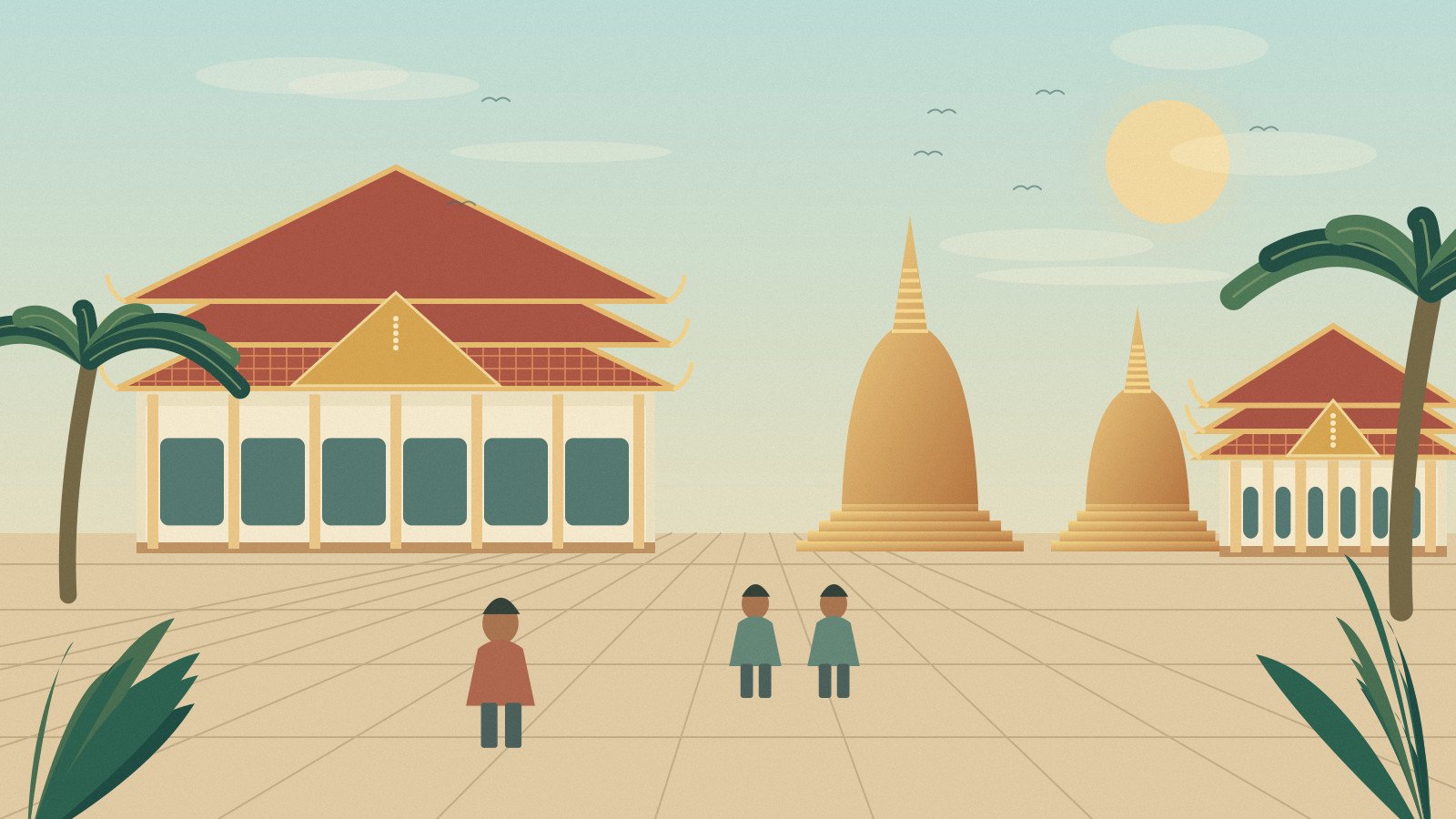
Wat Pho is often squeezed between the palace and the river crossing. That is a planning mistake when it leaves time only for the best-known hall. Treat the temple as its own visit: a place to look at courtyards, smaller details and the relationship between busy visitor areas and quieter spaces.
The temple's own guidance asks visitors to dress respectfully, remove shoes where required and behave appropriately around Buddha images. Those instructions are more useful than assuming every room follows the same rules as the outdoor grounds. Watch the signs and the flow of worshippers before entering. [2]
Slow the pace after the palace
Allow around sixty to ninety minutes as a starting point, then adjust to your interest and the day's conditions. This is a suggested allowance, not a required minimum or a promise that queues will fit inside it. A visitor interested in temple details may want considerably more time.
When the group is already flagging, decide whether to make Wat Pho the last cultural stop before lunch and a return to the hotel. That can be a better choice than pressing on automatically. The river and Wat Arun will still make sense as the focus of another half-day rather than an obligation that must follow immediately.
What to notice at Wat Pho when you want more than the headline view
Scale, material and craftsmanship
The temple describes the Reclining Buddha as a brick-and-stucco image that is lacquered and gilded, measuring 46 metres long and 15 metres high. It also identifies the mother-of-pearl decoration on the soles. Those details give you several different ways to look: the overall scale within the hall, the surface treatment and the smaller symbolic designs. [7]
You do not need to stand in one crowded photographic position to appreciate all three. Take the permitted visitor route, pause where there is space and notice how the sense of scale changes as you move. A photograph may be a useful reminder, but it cannot replace the physical relationship between the image and its setting.
Ask a better question than how old is it?
A guide can help explain why particular materials, poses or decorative motifs matter. Ask for one feature you can recognise elsewhere in the grounds, or one detail that visitors commonly overlook. That creates a practical way to keep learning after the explanation ends, rather than depending on a continuous stream of facts.
Independently, read a small amount of the temple's own background material before arriving. Choose a feature to find and understand, then allow the rest of the visit to remain exploratory. This is especially helpful for children or a mixed-interest group: one clear thing to notice can be more engaging than a long list of names.
Finally, leave some attention for the spaces outside the busiest hall. The change of pace can help separate this temple in your memory from the earlier palace visit, even when both happen on the same morning.
At Wat Pho: tickets, sacred spaces and optional activities
Follow the temple's current ticket information
Wat Pho's official pages list foreign admission at THB 300 and a published visiting window of 08:00-19:30, checked on 3 October 2026. The booking page states that online tickets need to be purchased at least twenty-four hours before collection. Do not treat an online purchase made just before arrival as equivalent without checking the current instructions. [2] [8]
A late published closing time does not prove that every building, service or optional activity remains available until then. Make the main temple visit during a sensible daytime window rather than relying on the final hour to reproduce the full experience.
Separate the temple visit from add-ons
If you are considering a massage-related activity, course or other service, confirm the provider, location, hours and price separately. Do not assume that a temple entrance ticket includes an appointment or that an activity advertised nearby is operated by the temple. Buy the visit you understand, rather than a vague combination that sounds convenient.
Inside sacred halls, put phones away when instructed and keep your group from blocking the route. Shoes, bags and photography can create small bottlenecks; dealing with them calmly makes the experience easier for worshippers and other visitors as well as for you.
Wat Arun: read the architecture before searching for a photo position
A temple defined by its riverside silhouette
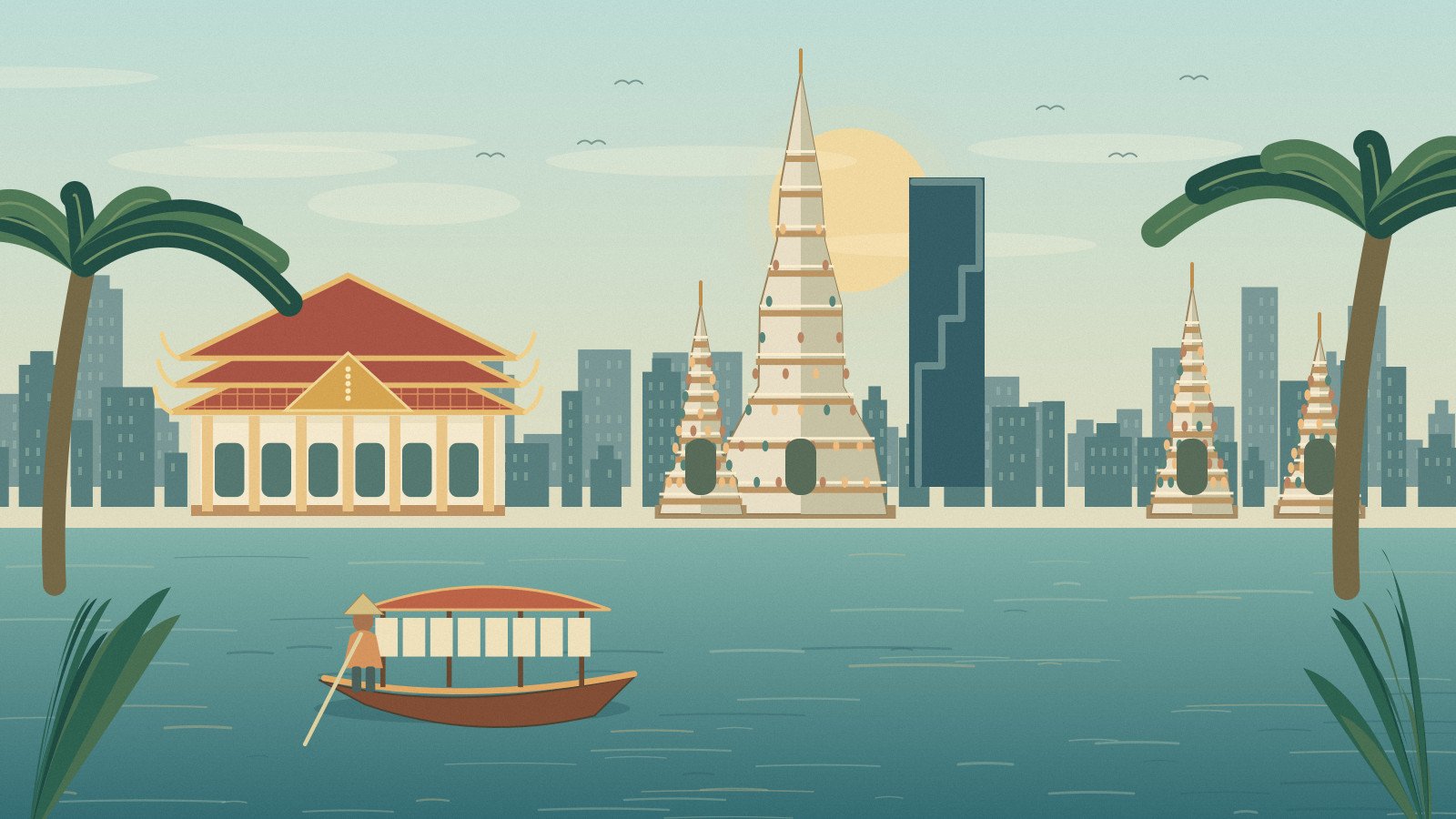
Wat Arun's central prang gives it a very different visual character from the palace and Wat Pho. A Thai government visitor feature describes the porcelain decoration that rewards a closer look, while the broader outline is most easily appreciated from the river or opposite bank. Use those two scales together rather than treating one famous viewpoint as the entire visit. [9]
Architectural photographs can flatten the physical effort of a site. Do not assume that every staircase or platform shown in an old image is open, suitable for your mobility or intended as a place to linger. Follow the actual barriers and staff instructions during your visit.
Avoid making costume photography the default purpose
Dressing for photographs can be an enjoyable optional activity for some visitors, but it is not required to appreciate the temple. Check what a rental or photography service includes, how long it takes, and whether the arrangement leaves enough time for the place itself.
For a quieter visit, choose fewer poses and more observation. Look at how surfaces change with light, how the buildings sit in the grounds and how the river shapes the approach. You will often remember those relationships more clearly than a series of pictures taken from the same position as everyone else.
Wat Arun: entry, crossing and the difference between day and night
Check the current crossing before leaving Wat Pho
The temple is on the opposite side of the river from the old-city temple cluster. A short ferry crossing can be the natural connection, but confirm the operating pier and service on the day. A private boat offer is not automatically the same thing as the local crossing you intended to take. [3]
TAT's Wat Arun listing gives foreign adult admission as THB 200 and opening as 08:00-18:00, checked on 3 October 2026. Some older government and travel pages still show a lower fee, so this guide uses the current TAT attraction listing rather than combining inconsistent amounts. Recheck at the official entrance. [3] [9]
An evening view does not include temple entry
Watching the illuminated temple from the opposite bank can be a lovely separate experience, but it is not a night-time admission ticket. Likewise, booking a riverside restaurant does not grant access to the temple grounds. Decide whether you want the architectural visit, the evening view or both, then plan them as distinct activities.
Before a late visit, protect the return journey. Ask about the final useful boat and identify a road alternative. Saving the hotel address and enough phone battery is a more practical safeguard than assuming that every service operates for as long as the riverside remains busy.
Entrance fees, closing times and what the tickets do not cover
Three separate admissions, not a universal temple pass
The figures below apply to the published foreign-adult admissions reviewed on 3 October 2026. They do not establish identical rules for children, Thai nationals, concessions or organised groups. Confirm the relevant eligibility and any identification requirements before using a different category.
| Site | Listed admission | Published visitor window | Important qualification |
|---|---|---|---|
| Grand Palace / Wat Phra Kaew | THB 500 | 08:30-16:30 on homepage | Ticket sales end 15:30; official wording differs elsewhere, so check dated notices |
| Wat Pho | THB 300 | 08:00-19:30 | An individual building or optional service may finish earlier |
| Wat Arun | THB 200 | 08:00-18:00 | Recheck current entry arrangements; older pages show different fees |
Adding the three adult amounts gives THB 1,000, calculated from those dated source figures. That is ticket-only arithmetic, not a total temple-day budget. Transport, food, guiding and optional services are separate. A tour price should be compared with the particular tickets it includes, not automatically with all three admissions. [1] [2] [3]
Resolve conflicting hours conservatively
The palace homepage shows an 08:30-16:30 visitor window and a 15:30 ticket-sales cutoff, while other official text uses 15:30 in its opening wording. Do not build a late visit around the most generous interpretation. Check the dated schedule and aim for a morning arrival. [1] [10]
For every site, distinguish the final ticket sale from the time the grounds close and from access to an individual building. Arriving just before a published limit is a poor way to protect a visit you consider a priority.
What to wear: prepare for the strictest entrance
Choose clothing that does not depend on an exception
A loose sleeved top with long trousers or a suitably long skirt is the simplest starting point. Avoid very short, torn, transparent or tightly revealing clothing. The palace's official dress guidance is stricter than a casual assumption that any scarf over bare shoulders will be accepted. Dress appropriately from the hotel rather than hoping to improvise at the gate. [10]
The aim is comfortable coverage, not formal evening wear. Choose fabric that you can tolerate for an outdoor morning, and make sure it remains suitable when you sit, bend or climb a step. A garment that only meets the requirement while you stand still is an avoidable source of uncertainty.
Footwear should balance comfort and removal
Wear shoes you can walk in and remove without a struggle when instructed. Keep socks or bare feet appropriate to the site's current rule; do not assume the outdoor footwear rule is identical inside every hall. Temple guidance explicitly requires shoe removal in designated sacred spaces. [2]
Carry the minimum clothing backup that solves your likely problem. An entire change of wardrobe is usually unnecessary, but a proper sleeved layer can be more useful than a decorative scarf. Check every traveller's outfit before departure so that one person's clothing issue does not derail the group's first appointment.
Temple etiquette without turning the visit into an anxiety test
Observe first, then follow the local instruction
You are entering active religious and ceremonial spaces. Keep voices low where appropriate, avoid blocking worshippers and follow signs about shoes, seating and photography. Wat Pho's visitor guidance includes respectful behaviour around Buddha images; that is a better starting point than trying to memorise a long list of invented universal rules. [2]
When unsure, pause and ask staff. A polite question is preferable to copying another tourist whose behaviour may not be appropriate. Equally, do not police strangers or interrupt worship to demonstrate that you know the etiquette. The point is consideration, not performance.
Donations, offerings and participation are choices
Ask what is involved before joining an unfamiliar activity. Do not assume that every bowl, candle or offering display is a paid tourist experience, or that participation is required to complete the visit. Give space to those using the site for religious reasons rather than treating them as part of the attraction.
Photograph people only with appropriate consent, particularly at close range or during private moments. A respectful visit leaves room for worship, staff work and other visitors without demanding that everything stop for your itinerary. That usually requires patience and attention more than extensive prior knowledge.
The practical three-stop route, with a real lunch break
Keep the palace first when doing all three
A palace-first route protects the stop with the clearest early ticket-sales constraint. Afterwards, move towards Wat Pho, then take time for a seated lunch before considering the river crossing. This is a planning sequence, not a claim that every entrance and ferry will be operating unchanged.
| Stage | Plan | Keep flexible |
|---|---|---|
| Early morning | Travel to the current palace visitor entrance | Security, tickets and clothing checks |
| Morning | Grand Palace and Wat Phra Kaew | Time for the features that interest you most |
| Late morning / midday | Wat Pho at an unhurried pace | Adjust for queues and energy |
| Lunch | Sit, eat and reassess | A real pause rather than food while rushing |
| Afternoon | Operating river crossing and Wat Arun | Skip or move this visit when the group has had enough |
Treat the afternoon as a decision point
After lunch, ask whether the group still wants another temple or is simply following the original plan. When energy is good, Wat Arun adds a distinct riverside experience. When it is not, a return to the hotel and a separate visit later may be the stronger choice.
Allow generous walking margins around the palace walls and between the useful entrances. A straight line on a map does not show where visitors are permitted to enter or where the practical road crossing sits. Similarly, do not book a ferry departure, temple guide and restaurant back to back with no room for security or a slower walk.
The river crossing should support the day rather than control it. Verify the service at the pier, keep the fare separate from temple admission and retain a workable route home. You can enjoy the same three attractions without pretending they form a single packaged attraction with one universal timetable.
Only half a day? Choose a pairing instead of a sprint
Palace plus Wat Pho for a cultural morning
This pairing keeps the focus on the old-city side of the river. Give the palace enough time, then decide how much attention remains for Wat Pho. It suits visitors who want a strong royal-and-temple introduction without making the river crossing essential to the success of the morning.
A half-day description in a tour listing can still include several hours outside the advertised sightseeing window once hotel travel and meeting time are counted. Check the actual start and finish locations before placing a flight, train or another paid activity immediately afterwards.
Wat Pho plus Wat Arun for a river-linked visit
This combination can work when the palace is not your priority or when you have already seen it. The crossing creates a useful change of pace, and you can choose which temple deserves the longer stop. However, a boat connection still needs to suit your mobility and the day's operations.
Trying to do all three in a compressed half-day is most likely to disappoint somebody who enjoys detail. A smaller route is not a lesser experience when it gives you time to understand what you are seeing. Decide what you value before comparing the largest possible number of inclusions.
Independent visit, group tour or private guide?
Buy explanation where it changes the experience
Independent visiting gives you control over pace, breaks and the choice to leave. A guide can help connect architectural detail, history and religious context that you might otherwise overlook. Neither approach is automatically superior; the useful question is whether explanation or flexibility is your greater need.
A group tour may reduce the work of planning, but you will share the pace. Ask about group size, listening arrangements and time inside each site. A large collection of stops does not compensate for barely hearing the guide or spending much of the visit waiting for the group to gather.
A private guide should mean useful flexibility
Explain your priorities before booking: photography, architecture, history, a slower pace or travelling with children. Confirm which tickets and transport are included, how breaks work and whether the guide remains with you throughout the route. Do not assume that private means every possible request is included without discussion.
A good comparison uses the same duration, sites and entrance-fee assumptions for each option. Otherwise, the cheapest quote may simply omit the part of the day you cared about most. Keep a copy of the agreed route and meeting point alongside the booking confirmation.
Getting to the temple district without a stressful first hour
Rail, river and car approaches solve different problems
BEM identifies Sanam Chai as a useful MRT station for the old-city attractions and lists the relevant exits, including connections towards the flower market and Rajini Pier. The actual walk to the palace entrance remains part of the journey, so do not mistake a nearby station for a door-to-door arrival. [11]
A river approach can work well from a suitable riverside starting point, while a car can simplify the trip for luggage, mobility or a very early meeting. Choose the whole route, including the final walk, rather than selecting a transport mode first and forcing the day to fit it.
A driver is not automatically a guide
A private vehicle booking may provide transport only. Confirm whether historical guiding, entrance fees, waiting and the cross-river connection are included. Some compact old-city movements may be easier on foot or by ferry than by repeatedly returning to a vehicle.
For an organised tour, arrive at the stated meeting point with a margin. A guide waiting at one gate may not be able to find you at another entrance several minutes away. Save the organiser's instructions offline and check the map before leaving the hotel, not after the group has started.
Heat, rain, bags and the small things that change the day
Prepare for exposure rather than carrying everything
Bring water, sun protection and a compact rain option that you can use without blocking other visitors. Carry a bag small enough to manage comfortably through checks and shoe-removal areas. A large day bag can make every pause and narrow doorway more complicated than necessary.
Plan a genuine seated break. Buying a drink while standing in another queue is not the same as recovering from several hours outdoors. Lunch belongs in the itinerary before everyone is too tired to make a sensible decision about the final temple.
Keep useful information available when the signal is awkward
Save the hotel address, attraction entrances and any meeting instructions before setting out. A data connection is helpful, but a phone can lose battery or struggle inside a crowded area. Make sure another person in the group can retrieve the essential details as well.
During rain, avoid treating wet stone, steps or a moving pier as something to rush across in order to save a booking. Ask about alternative access and wait when necessary. A flexible route gives you permission to make the sensible decision without feeling that the whole day has failed.
Accessibility and family planning: ask about the actual route
Break the day into physical tasks
A visit can involve station lifts, road crossings, long walls, security checks, steps, shoe removal and boat boarding. Ask which of those tasks a traveller can manage comfortably. A general accessibility label cannot answer all of them, and the easiest public-transport approach may differ from the easiest entrance once you arrive.
BEM's station information identifies specific lift exits at Sanam Chai. Use that level of detail as a model for the rest of the day: the right exit, the suitable entrance and the assistance available at the exact time of your visit. [11]
For children, choose one thing to notice
A young visitor may engage more with a particular roof detail, a courtyard or the river journey than with a long chronological explanation. Keep the cultural introduction concrete and give children a chance to ask questions. There is no need to turn the visit into either a lecture or a continuous photo session.
Plan toilets and food before a long guided block. For a mixed-mobility group, consider splitting the day into two shorter visits rather than leaving somebody struggling through an otherwise efficient route. The most respectful itinerary includes consideration for the people travelling with you as well as for the places you enter.
Photography, costume sessions and an evening river view
Let the site's rules set the boundaries
Outdoor photography permission does not establish permission inside every sacred hall. Follow the current signs on flash, equipment and restricted spaces. A paid tour or photography service does not override those rules, and an old social-media image is not evidence that a viewpoint is open now.
Choose a few photographs that reflect what interests you, then put the camera away for part of the visit. This is especially useful in crowded spaces, where repeatedly stopping in the main flow can make the day less pleasant for everyone around you.
Separate an evening walk from another temple admission
After a rest, you may prefer a short old-city or riverside walk to a further ticketed attraction. A guide can add context to the streets and changing light, but check where the route goes and whether it actually enters any venue. Evening views and daytime access are different products.
Costume hire, portrait sessions and restaurant reservations each add time. Choose one when it genuinely matters to you rather than stacking them around the same narrow sunset window. A less crowded schedule gives weather and ordinary delays less power to spoil a carefully imagined photograph.
Where to stay for an easier temple day
Prioritise repeated journeys, not a single attraction
A hotel near a useful rail connection can be practical even if it is not beside the temples. A riverside or old-city base can simplify a temple-focused stay, but check how it serves the rest of your trip. Saving time on one morning is not necessarily worth making every other evening more difficult.
Look at the real entrance, nearby road crossings and the route you would use early in the morning. A location described broadly as near the palace or river can still require an inconvenient approach. Read the map at pedestrian scale rather than relying on the district name alone.
Use the hotel as a place to reset
A convenient base makes it easier to split the temples across two visits or return after lunch before an evening view. That flexibility can matter more than adding another attraction to a single long day. For a traveller with limited stamina, it is an itinerary feature rather than an indulgence.
Before the temple morning, ask staff to help confirm the correct meeting point or current visitor notice where needed. That is more useful than a generic recommendation to take whichever vehicle is waiting outside.
Combining all three temples: the advantages and the compromise
Why the full route works
The sites sit in one broad old-city-and-river area, so the day can have a coherent shape. You can compare royal architecture, a different temple complex and a riverside landmark without making several cross-city transfers. A knowledgeable guide can also connect themes across the visits rather than starting from zero at each stop.
A single suitable outfit and one set of practical preparations cover the whole route. For travellers with a strong cultural interest and good stamina, that can make a focused day feel rewarding rather than repetitive.
Why splitting the visits can be better
Queues, outdoor exposure, walking and concentrated information add up. By the third visit, even an interested traveller can stop noticing detail. Splitting the route creates room for a slower Wat Pho visit or a Wat Arun-focused river afternoon.
The trade-off is another journey to the area and potentially another guide booking. That extra effort may still be worthwhile when it improves attention, mobility or enjoyment. Compare the quality of the actual experience, not only the apparent efficiency of completing three names on one calendar day.
Temple-day mistakes that are worth preventing
Clothing, entrances and late-arrival assumptions
Do not leave clothing suitability to a scarf at the gate, navigate to an obsolete entrance, or rely on the latest published closing figure as though it were a final-entry guarantee. Each mistake can use more time than the distance between two temples.
Avoid accepting a stranger's claim that a site is closed as a reason to join an unrelated shopping trip. Verify closures with the official notice or entrance staff. A genuine schedule change may occur, but the alternative outing should still be your choice rather than the result of pressure.
Treating every extra as already included
A temple ticket, ferry crossing, guide, private boat and costume session are separate things unless the booking clearly combines them. Ask for the total and inclusions before paying. The same care applies to a transport quote that looks like a full guided day but actually provides only a driver.
Finally, stop when attention has gone. Finishing two visits well is better than rushing through the third solely to defend the original plan. You can appreciate the importance of a place without proving it by visiting when you are too tired to look carefully.
Frequently asked questions
Can I visit the Grand Palace, Wat Pho and Wat Arun in one day?
Yes, the broad geography makes that a sensible full-day route for many visitors. Start with the palace, continue to Wat Pho, allow a seated lunch and cross to Wat Arun only when the group still has energy. Keep current entrances, ferry operations and ceremonies in mind. It should not be planned as three quick photo stops.
Is Wat Phra Kaew separate from the Grand Palace?
Wat Phra Kaew, the Temple of the Emerald Buddha, is within the Grand Palace complex. A booking naming both is not necessarily adding a second distant destination. Read the route, ticket inclusions and areas open on the day rather than judging the value by the number of names in the title. [4]
How much should I budget for the three entrance tickets?
The listed foreign-adult fees checked on 3 October 2026 are THB 500 for the Grand Palace, THB 300 for Wat Pho and THB 200 for Wat Arun, totalling THB 1,000. Food, transport, guiding and optional services are additional. Different admission categories must be checked separately. [1] [2] [3]
Will a scarf over a sleeveless top be enough?
Do not rely on that for the palace. Start with a suitable sleeved top and conservative lower-body coverage so that entry does not depend on a staff exception or a hurried purchase. Follow each site's current dress guidance; being allowed into one temple does not prove that the same outfit meets another entrance's requirements. [10]
Which temple should I choose when I cannot do all three?
Choose by interest. The palace and Wat Phra Kaew provide the major royal-and-religious introduction; Wat Pho suits a temple visit with attention beyond its best-known hall; Wat Arun adds a distinct riverside setting and architectural focus. Your mobility, available time and tolerance for outdoor sightseeing should influence the decision as much as fame.
Can I enter Wat Arun at night to see the lights?
Do not confuse an illuminated external view with after-dark temple admission. Check the current visiting window directly and plan a riverside viewpoint or meal separately. A restaurant booking or cruise does not automatically include entry to the grounds, and the return ferry or road connection needs its own check.
Do I need a guide for the temple day?
A guide can add considerable context, especially when you want to understand architecture and history rather than only look around. Independent visiting is also reasonable when you prefer your own pace. Compare the actual group size, route, entrance fees and transport included; a private vehicle with a driver is not necessarily a guided cultural tour.
The temple day worth remembering
Prepare thoroughly, then visit selectively
My recommended full-day sequence is palace first, Wat Pho second, lunch, then a considered decision about Wat Arun. Keep the outfit suitable, the first entrance correct and the tickets clearly understood. Those practical choices remove the distractions most likely to interfere with the cultural experience.
For a shorter stay or a slower traveller, choose two sites and enjoy them properly. A return river visit can be more rewarding than forcing the final temple into the last available hour. The purpose is not to prove that three admissions were possible; it is to leave knowing why the three places are different.
Make respect part of the pace
Follow the current instructions, give worshippers space and accept that an active religious or royal site may not operate around your preferred photograph. A good guide, a quiet observation or a well-timed break can all deepen the visit. The strongest temple itinerary is the one that preserves enough attention to notice where you are.
Sources and fact-checking notes
- [1] Bureau of the Royal Household – Grand PalacePublished 08:30-16:30 opening window and 15:30 ticket-sales cutoff.
- [2] Wat Pho – plan your visitTHB 300 admission, published visiting hours and temple etiquette.
- [3] Tourism Authority of Thailand – Wat ArunTHB 200 foreign adult admission, 08:00-18:00 listing and riverside location.
- [4] Grand Palace – historyEstablishment of the palace complex in 1782 and its historic role.
- [5] Grand Palace – visitor-entrance notice and searchOfficial notice of the switch to Mani Noppharat Gate; confirm current entry signs. Unrelated template fragments in other search results are not treated as visitor policy.
- [6] Grand Palace – the Emerald BuddhaRoyal Household description of the image, its scale and seasonal raiments.
- [7] Wat Pho – Phra Buddha SaiyasThe temple description of the Reclining Buddha, its materials, dimensions and mother-of-pearl soles.
- [8] Wat Pho – official ticketing informationOnline lead-time, ticket-counter information and dress guidance.
- [9] Thailand 2026 Annual Meetings – Wat Arun architectureArchitectural description of the prang and porcelain decoration. Its older admission figure is not used.
- [10] Grand Palace – practical informationForeign visitor fee, dress rules and ticket-sales cutoff. The page contains inconsistent opening wording; use its schedule and current notices.
- [11] BEM – Blue Line and Sanam Chai stationStation names, old-city exits, lift exits and Rajini Pier connection.
Illustrations in this article were created for Taylor’s Trailblazing Travels. Third-party photographs, where used, are credited beside the image or in the source list.