Kanchanaburi · Travel planning
Kanchanaburi Travel Guide
Railway history, river landscapes and countryside outings with the distances and current restrictions made clear.
Written and researched by Karen Taylor | Last editorial review: 4 October 2026
Kanchanaburi is not one compact collection of attractions beside a bridge. The town, the railway journey, Erawan’s waterfalls and the more distant Kwai Noi valley ask for different amounts of time and different transport decisions. A useful Kanchanaburi travel guide should make those distances visible before you book a hotel or an ambitious day tour.
For a first visit, give the town’s history a proper place, then choose one main countryside outing. Two nights usually create a more workable balance than trying to combine a museum, railway ride, waterfall and remote memorial within one day from Bangkok. That is an editorial judgement about pace, not a rule that every visitor needs the same stay.
This guide uses official visitor information and research-led planning advice rather than invented first-hand experience. There is also an important current limitation: Hellfire Pass announced a weather-related closure beginning on 27 September 2026, continuing until further notice when this article was reviewed on 4 October. Its normal visiting arrangements must not be mistaken for evidence that it has reopened. [1]
This guide contains affiliate links. Taylor’s Trailblazing Travels may earn a commission when you book or buy through them, at no extra cost to you. Recommendations are based on the planning fit, not the commission.
First priority
History with context
Start with the museum, not only a photograph.
Practical base
Kanchanaburi town
Compare the actual hotel location.
Countryside day
One main excursion
Choose Erawan or a railway-and-valley route.
Current restriction
Hellfire Pass closure
Reopening needs official confirmation.
Kanchanaburi travel guide: start with the current closure
Hellfire Pass is not currently a routine bookable stop
The official Hellfire Pass notice states that the interpretive centre and walking trail closed from 27 September 2026 until further notice because of heavy rainfall and associated safety concerns, including flooding and potential landslides or rockfalls. This was the live notice checked on 4 October 2026. A future reopening requires a new confirmation from the centre. [1]
If you are considering a tour that includes Hellfire Pass, ask for the actual route for your date before paying. Establish whether the provider will remove the stop, substitute another activity or offer a different cancellation arrangement. A product title remaining online does not establish access to a closed site.
Keep the rest of the trip proportionate
The closure does not by itself tell you that every attraction in Kanchanaburi is closed. Equally, an operating town museum does not establish safe conditions on every forest trail. Check each outdoor destination and the roads you will use, rather than turning one notice into a province-wide assumption.
The sample plans below therefore make Hellfire Pass conditional rather than essential. A worthwhile visit can still focus on the railway museum, town history and a currently suitable countryside outing. The aim is to make a sound plan from the actual information, not to preserve a prewritten checklist.
Town, river valleys and waterfalls are different bases
Read the destination as several zones
Kanchanaburi town sits around the meeting of the Khwae Noi and Khwae Yai rivers, which form the Mae Klong. TAT describes the rivers as defining features of the destination and identifies a broad range of attractions across the province. That geography explains why a riverside hotel is not necessarily near the places you want to visit. [14]
The bridge area and the town’s museum-and-cemetery cluster are different locations. Erawan National Park is farther out, while the railway continues into the Kwai Noi valley. Hellfire Pass is another journey again, not an attraction you simply reach by walking from the famous bridge. [2][3][4][9]
Choose a base according to the main outing
Stay in town when you want straightforward meals, museum access and a choice of transport arrangements. Choose a more remote river stay when the accommodation and the quiet setting are themselves part of the trip. The latter can be rewarding, but it should not be sold as automatically convenient for every day excursion.
Before booking, map the actual hotel entrance and each major destination. Ask whether transfers are available, when the last one runs and how much they cost. A beautiful photograph of a floating room cannot answer those questions.
How many days should you allow?
One day: a focused history introduction
Visiting from Bangkok for a day can make sense when you select a small number of town-based sights and accept that transport occupies a substantial part of the day. A museum, cemetery and bridge-area visit can form a coherent introduction without a waterfall or remote trail being added at the end.
Read a tour’s minute-by-minute shape where available. An itinerary listing many highlights may leave little time at each. The useful comparison is how much interpretation and independent time you receive, not the largest attraction count.
Two nights: a better balance for many first visits
Arrive, give the town’s history some attention and leave a full day for one countryside objective. A final morning can provide another short visit or a relaxed departure. This arrangement also creates more room to change outdoor plans when conditions deteriorate.
Three or more nights suit travellers who want both a railway outing and a waterfall day, time at a remote river property or a slower approach to remembrance sites. More time is useful only when it serves your interests; it does not need to become an obligation to visit every place in the province.
Getting from Bangkok: compare the whole journey
Road transport is not one fixed journey time
As a planning envelope, allow roughly three to four hours for many Bangkok-to-Kanchanaburi road arrangements once pickup location and traffic are considered, with more time possible. This is an editorial allowance rather than a current timetable. The operator’s actual departure point and destination are the figures that should shape your day.
A van or bus can be good value when its terminals work for you. Check where you board, where you arrive and how much luggage is included. A cheap intercity seat can still require inconvenient transfers on both ends, particularly with a large suitcase or a group travelling together.
Private transfer: ask what the quotation covers
Confirm passenger numbers, luggage, vehicle type, pickup waiting time and the exact hotel address. A quotation to Kanchanaburi town may not include a remote riverside resort. Ask about extra stops before the journey, not while the driver is following a different agreed route.
A car can be particularly useful when it solves a practical need, such as a child seat or reduced walking. Request the actual equipment and written confirmation. A generic family-friendly description does not establish that a suitable seat will be fitted.
Taking the train: the journey is part of the visit
Use current railway information, not an old museum directions page
Check the State Railway of Thailand timetable for your date, departure station and intended destination. The regular western-line journey is associated with Thonburi, but special excursions and service changes need their own checks. Do not assume a Bangkok booking automatically means Krung Thep Aphiwat or Hua Lamphong. [6]
Some travel pages still display historical train fares and departure times. The Railway Centre’s visitor page is valuable for its own museum arrangements, but its older transport instructions should not be treated as a current railway timetable. Use the railway operator for the transport decision. [3][6]
Leave room for the railway’s pace
Choose the train when you value the journey and can accept its schedule, not merely because it looks shorter on a map. Allow for station access, waiting and the final transfer. A slow scenic ride is enjoyable when it is the main event, less so when it threatens another prepaid appointment.
For a shorter sightseeing segment, compare the actual boarding and alighting stations and arrange the road connection at the far end. A tour advertising a railway ride may include only a brief section. That can be exactly what you want, but the duration and route should be clear before payment.
Thailand-Burma Railway Centre: begin with context
Give the museum time to do its job
The Railway Centre’s own visitor page lists daily opening from 09:00 to 16:00, with adult admission at 160 baht and admission for children aged 7-12 at 80 baht, checked on 4 October 2026. Its location beside the Kanchanaburi War Cemetery makes the two a practical pairing. [3]
Allow around 90 minutes to two hours as a suggested visit, particularly if you read the interpretation carefully. This is not an attraction to squeeze into a few minutes because the bridge photograph feels more important. Understanding the railway’s construction changes the meaning of the places you visit afterwards.
Keep the people within the history
The railway’s story includes Allied prisoners of war and large numbers of Asian civilian labourers, often described as romusha. The official Hellfire Pass interpretation addresses both groups and the conditions of forced labour. Avoid reducing that history to a scenic railway brand or a single familiar film image. [9]
For families, consider the emotional content before entering. Older children may benefit from a few clear questions and a short discussion afterwards; younger visitors may need a shorter visit. There is no requirement to read every display when the material becomes overwhelming.
Kanchanaburi War Cemetery: visit as a place of remembrance
A different pace from ordinary sightseeing
The cemetery is a place to remember individuals, not a backdrop for playful photographs. The Commonwealth War Graves Commission’s visitor material explains how burials were brought together from railway-related graves and encourages attention to the people named on the markers. Give the visit quiet time rather than treating it as a quick stop between tickets. [10]
Read a small number of inscriptions, consider the ages and relationships represented and leave room for reflection. The number of military graves should not be confused with the total human cost of the railway, which also involved civilian labourers whose histories are represented in other ways. [9][10]
Combine nearby history without hurrying it
A museum-and-cemetery pairing works because the subjects complement each other as well as being close. Visit in whichever order suits the opening and your preference, but avoid immediately following a reflective stop with a rushed sales pitch or a loud group activity.
Dress and behave respectfully, stay on permitted paths and follow any ceremony or maintenance instructions. Families can explain the purpose of the place before arriving. A short thoughtful visit is more appropriate than a long one where the group is restless and unsure why it is there.
The bridge area: distinguish a landmark from a complete history
See it after you understand the railway
The bridge over the River Kwai is an important part of many visitors’ mental picture of Kanchanaburi, but it should not replace the museum context. A landmark photograph cannot explain the different experiences of the people forced to build the railway. Put the bridge within that wider story rather than making it the whole visit. [9]
Allow time to look at the river and surrounding area without assuming that every accessible-looking railway surface is safe to occupy. Where trains are operating, follow staff instructions and remain clear of the track. Never rely on a photograph of other visitors standing somewhere as evidence that it is appropriate.
Do not confuse the famous bridge with the scenic trestle section
The better-known cliffside railway scenery around the Kwai Noi valley is a different part of the route. DVA’s historical material identifies the Wampo or Wang Po viaduct in that valley. Check what a tour actually includes when it promises a bridge visit and a railway ride; the two descriptions may refer to different places. [9]
The bridge area can also serve as a meal or riverside pause, but check your next transfer. A town outing is easier when the final drop-off is explicit rather than left to another negotiation after the sightseeing ends.
A railway-and-valley day: make the transport connections real
Choose a manageable section
A full journey from Bangkok is not the only way to experience the railway. An overnight visitor can choose a shorter segment from the Kanchanaburi area, then connect by road where appropriate. Use the current timetable and decide whether you are making a return rail journey or combining different modes. [6]
For a guided outing, ask which stations are used, how long the actual train portion lasts and what happens if the service is delayed or cancelled. A photograph of a long train ride can accompany a product that includes only a small section. Neither is inherently wrong, but the expectation should match the booking.
Avoid unsafe photography
Do not lean out of a train, stand in a doorway for a photograph or enter tracks without permission. The scenery is not worth creating a risk for yourself, passengers or railway staff. Keep equipment secure and choose a seat from which you can enjoy the journey comfortably.
If the outing continues into the countryside, confirm lunch, water, toilet stops and the final pickup. A remote viewpoint should not leave you depending on a vehicle you have not arranged. The simplest plan is usually one that has a clear endpoint and a reliable return, not the most ambitious chain of connections.
Erawan National Park: a full outing, not a spare-hour stop
Plan for the distance and the walk
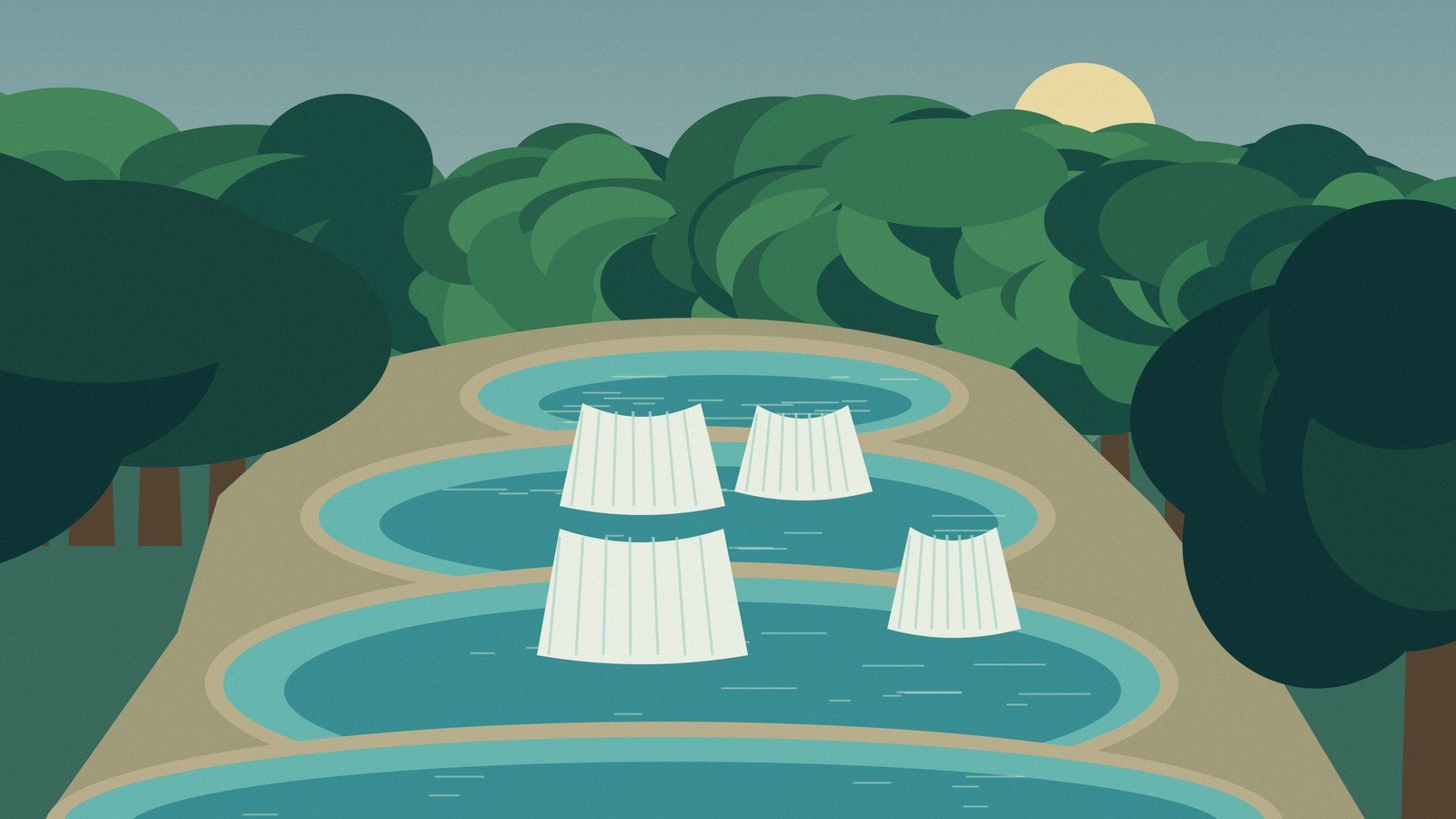
TAT places Erawan National Park around 65 kilometres from Kanchanaburi and describes its seven-tier waterfall. That distance, plus time entering the park and walking, makes it a substantial outing. Treat it as the main focus of a day rather than something to add after a long railway journey. [4]
The familiar turquoise-water photograph should not become a guarantee in your plan. Water clarity, flow, trail access and swimming permission depend on conditions. Check the park’s current notices and follow ranger decisions even when an older attraction page uses broad language about swimming.
Decide how far to walk after you see the conditions
You do not have to reach the highest tier to have a worthwhile visit. Assess heat, trail surfaces, the group’s ability and the time remaining. Leave enough margin to return before any ranger-imposed clearance time, which may differ from a general gate-closing time.
Bring suitable footwear and secure your belongings without leaving valuables unattended beside a pool. Use a correctly fitting life jacket where required or advised, and do not enter water that rangers have closed. Strong flow, thunder or slippery access is a reason to change the plan, not a challenge to overcome.
Erawan fees and the return journey
What the published information does and does not settle
TAT’s national-park listing gives a foreign adult admission of 300 baht, checked on 4 October 2026. Its park and waterfall pages show different child figures, so confirm the child’s age category and current amount directly rather than treating either page as a complete answer. Vehicle, equipment or other charges may be separate. [4][12]
The same principle applies to opening: a generic attraction listing is not a live clearance for every tier or swimming area. Thailand’s national-park guidance explicitly notes seasonal and weather-related restrictions. Check the specific park and the parts you intend to use. [5]
Know how you will get back before entering
For a public-transport outing, verify the current outward and last return services and identify the actual stop. Do not rely on an old blog’s bus times. Build a fallback that you can afford and contact, especially when travelling with children or staying outside town.
A driver or guided tour can reduce that uncertainty, but read the amount of park time included. A very short visit may not suit someone wanting a long walk, while a longer itinerary may be excessive for a family content with the lower areas. The right product is the one whose pace matches the visit you want.
Hellfire Pass after reopening: a separate decision
Normal arrangements are background, not current access
When the centre officially reopens, its own planning information should be used to decide how to visit. It is a more distant site in the Sai Yok area, with an interpretive centre and walking routes. The normal FAQ can help with preparation, but the current closure notice takes precedence. [1][2]
Do not book a future date solely because a reseller still shows availability. Ask for confirmation of the centre and trail status, and check it again close to travel. The two may not necessarily return to operation under identical arrangements after a weather event.
Give remembrance and walking enough space
A future visit should allow time for interpretation as well as the outdoor route you are actually able to walk. It is not simply a viewpoint at the end of a drive. Read the trail advice, prepare suitable footwear and ask about current access for anyone with mobility limitations.
Avoid combining it with every other distant attraction just because a car is available. A driver can shorten the administrative burden, not the physical distance or the time needed to engage with the site. Choose a route that respects both the subject and the people making the visit.
Temples and other alternatives near town
Wat Tham Suea is a different kind of stop
TAT places Kanchanaburi’s Wat Tham Suea in Tha Muang and describes its large Buddha image and distinctive temple architecture. It is not the similarly named temple in Krabi. Check the province and actual map pin when searching, especially when a booking platform returns several Tiger Cave Temple results. [13]
This can provide a different subject from the railway history, but ask about current access, steps and any available assistance. Do not assume every member of the group wants or can manage the same climb. An active religious setting also needs appropriate clothing and behaviour.
Keep a fallback close enough to be useful
A town-based museum, a suitable temple or a relaxed meal can replace an outdoor excursion when conditions deteriorate. A replacement should simplify the day, not create another long drive to a different uncertain site. Ask your accommodation for current local access information before setting off.
For a longer stay, consider the wider province only after choosing your main priorities. Sai Yok, reservoirs and more distant towns are not interchangeable short extensions. A guide’s broad list of attractions should not hide the travel time between them.
Where to stay: town convenience or a river retreat?
Town for a first visit with several outings
A town base is practical when the museum, cemetery, bridge area and transport connections matter. Compare the exact location with your planned meals and pickup points. A hotel described as central can still sit on a road that is inconvenient to cross on foot.
Check air conditioning, room sound, stairs, parking or vehicle access and luggage storage. For a short stay, those details may matter more than a pool you will barely use. Recent reviews can reveal whether a riverside restaurant creates evening noise near particular rooms.
A remote river property for a different purpose
A raft room or countryside resort can make the accommodation itself the main experience. However, confirm electricity, cooling, bathroom arrangements, luggage handling and the transfer from the road. Ask about the last arrival time and what happens when river conditions disrupt a boat connection.
The exact river and bank matter. A remote property can be far from both the town and Erawan, so do not choose it as a supposedly central base without checking the routes. Two nights there may suit a quiet retreat better than a schedule of daily cross-province excursions.
Food and evenings: leave room for the place you chose
A meal can be the right end to a history day
After a museum and remembrance visit, an unhurried meal may be more appropriate than another attraction. Choose somewhere convenient to your accommodation or return route, and check whether a riverside table is sheltered when rain is possible.
Read the menu’s pricing units, especially for whole fish or seafood sold by size or weight. Ask about ingredients and spice preferences clearly, and do not assume a familiar dish is prepared identically in every restaurant. Keep dietary needs separate from vague claims that something is healthy or suitable for everyone.
Do not expect every evening to be an event
A quieter town or countryside night can be part of the appeal. Bring a book, make time to review the next day’s transport and allow the trip to have a different rhythm from Bangkok. A scenic hotel loses much of its value when every waking hour is spent travelling away from it.
For a remote stay, confirm meal availability before arrival. You may not have the same easy choice of nearby restaurants as a town hotel. Knowing whether dinner needs ordering in advance is more useful than discovering the limitation when the last transfer has finished.
A two-night plan centred on realistic distances
Arrival day: town history at a manageable pace
Travel from Bangkok, settle bags and judge how much time remains before the Railway Centre closes. If the museum window is too short, choose a quiet bridge-area or riverside outing and move the museum to the next suitable day. Do not hurry an important visit merely to protect an arbitrary order.
When the arrival is early enough, pair the museum and cemetery, then have dinner close to the accommodation. Keep the evening simple so that the next day’s countryside outing begins with enough energy.
Full day: one main excursion
Choose Erawan if the park, roads and the parts you want are suitable, or choose a railway-and-valley outing with confirmed connections. Do not insert Hellfire Pass while its closure remains in force. Leave room for lunch and a return that is not dependent on the final possible transport.
Departure day: one remaining priority
Use the final morning for the town visit you deferred, a suitable temple or a slower breakfast, then collect bags and leave with a margin. A late Bangkok flight should not be connected tightly to an optional provincial excursion. The useful part of this plan is its ability to lose one activity without collapsing.
What changes with three nights or only one day?
Three nights let the countryside split into two outings
With an extra full day, a railway experience and a waterfall visit can occupy separate days. That reduces the pressure to spend little time at each. It also gives you a weather choice: move the outdoor day when conditions and booking terms allow, rather than accepting the first forecast you saw.
A longer stay can also justify a night in a more remote river property, but changing hotels adds another transfer. Compare that move with staying in one comfortable base. The scenic room should improve the trip enough to justify the extra organisation.
A one-day visit needs a clear subject
For a single day from Bangkok, choose town history or a specific guided excursion whose travel demands you accept. Avoid a product simply because it includes the most names. Ask how long you spend in vehicles, at the museum and on any actual train segment.
For someone particularly interested in remembrance, a thoughtful town-based introduction may be stronger than a rushed tour mixing several unrelated activities. For nature-focused visitors, a dedicated outdoor trip may be more suitable, but only with current access and conditions confirmed.
Weather and swimming: do not plan from the photograph
Seasonal patterns are only a starting point
The Thai Meteorological Department describes broad hot, rainy and cooler periods, with regional variation and uncertain transitions. Kanchanaburi’s forest and river landscapes still require day-specific weather decisions. A cooler month does not guarantee safe water conditions, and a rainy month does not mean every day is unusable. [15]
Check the actual destination rather than relying only on a Bangkok forecast. Conditions around a waterfall, a remote trail or a river property can differ from those near your town hotel. Ask operators for the current practical consequence: which roads, trails or activities are available?
Follow restrictions even when other people ignore them
A closed swimming area should remain off the itinerary. Do not enter fast-flowing water or climb beyond a barrier to reproduce a photograph. A life jacket is an additional safeguard, not permission to ignore current, weather or a ranger’s decision.
Keep an indoor or town-based alternative for the day. The point is not to make the holiday risk-free by avoiding everything outdoors; it is to use current information rather than let a prepaid ticket or a famous image make the decision for you.
Safety, access and responsible choices
Road travel deserves the same attention as sightseeing
Use appropriate licensed transport, seat belts where fitted and a vehicle that suits the passengers and luggage. Do not make a scooter your default solution simply because an attraction is outside town. Riding experience, licence requirements, insurance and road conditions all matter. Consult current travel advice for the rules and risks relevant to your situation. [7]
For any extension towards the Myanmar border, check the latest regional advice before planning the route. Do not infer that an ordinary Kanchanaburi town itinerary and a border excursion have identical considerations. This guide does not include crossing into Myanmar. [8]
Match access to the actual route
Ask about steps, uneven ground, toilets and the distance from vehicle drop-off to the attraction. A car-based tour can still involve a substantial walk. For remote accommodation, a boat transfer or a steep bank may be part of the access even when the room itself looks comfortable.
Choose wildlife experiences carefully and avoid activities that rely on close-contact performances or riding being presented as conservation. A label such as sanctuary is not proof of welfare standards. Where an operator’s practices cannot be assessed, a different nature activity is the more defensible choice.
Budgeting: admissions are only one part of the cost
Use published fees selectively
The museum operator lists 160 baht per adult, and TAT lists 300 baht for a foreign adult at Erawan, checked on 4 October 2026. Other visitors, extras and separate sites can have different charges. Hellfire Pass’s normal admission arrangements should not distract from its current closure. [1][3][4]
The table below uses editorial allowances prepared on the same review date for a first-time trip. They are not live rates or promises of availability. Replace transport and accommodation figures with your own dated quotations.
| Cost category | Suggested allowance or posted example | Unit and caveat |
|---|---|---|
| Railway Centre | 160 baht | Per adult; operator-posted fee [3] |
| Erawan entry | 300 baht | Foreign adult; verify extras and access [4] |
| Food and drinks | 400-900 baht | Per adult per day; editorial allowance |
| Straightforward town room | 1,000-2,200 baht | Per room per night; editorial allowance |
| More comfortable river stay | 2,500-5,500+ baht | Per room per night; facilities and transfers vary |
| Local excursion transport | Obtain a route-specific quote | Per person or vehicle; compare inclusions |
Price the remote stay honestly
Add the cost of getting from the station or terminal to the hotel, then to each excursion and back. A low room rate can become less attractive when every meal or outing needs a transfer. Conversely, paying more for a convenient base may save both travel and effort.
Keep a contingency for a changed outdoor plan or a different return journey. A budget that works only when every connection and activity runs exactly as expected is not a reliable budget for a multi-stop trip.
Choosing tours: questions that reveal the real itinerary
Read the day as a sequence
Ask for the pickup window, first stop, time at the main attraction, meal arrangements and expected return. A headline such as railway and waterfalls does not reveal whether you get a meaningful visit to either. Match the route to the place you care about most.
Where a train is included, confirm the stations and the amount of time aboard. For a park visit, ask whether admission is covered and whether swimming depends on current conditions. Where Hellfire Pass is named, the current closure needs a direct answer rather than a generic reassurance.
Understand substitutions and cancellation
Read what happens if a train is cancelled, a trail closes or a provider changes the route. A different activity may still allow the tour to operate under its terms, so clarify that before paying when the original stop is your main reason for booking.
A private format is useful when it gives a group a suitable pace or access arrangement. It is not automatically better simply because it costs more. Compare the quality of the explanation, the actual route and the practical support, and keep the final choice tied to your needs.
A useful packing plan for the town and countryside
Keep the two outings separate
For the museum and town, carry a small bag with water, identification, payment, a light cover-up and your transport details. For a waterfall or trail day, add the footwear, spare clothing and protection for belongings that the activity actually needs. Do not carry a full overnight bag around a memorial or forest path when secure storage is available at your accommodation.
Keep a dry set of clothes separate from wet items after swimming, and protect the phone that holds your return booking. A waterproof-looking pouch is not a reason to immerse valuables. Check the product’s intended use and consider leaving unnecessary electronics behind rather than relying entirely on a bag to protect them.
Prepare for a remote property’s arrival
Ask whether luggage is carried over steps, along an uneven bank or onto a boat. A small overnight bag may be easier than a large rigid suitcase for a short river stay, but do not assume a hotel will store the remainder without agreement. Pack essential medicines, documents and a charging cable where you can reach them during a delayed transfer.
Confirm the evening meal and the following morning’s pickup before the last convenient contact window. A quiet setting is enjoyable when the practical arrangements are settled; it is less restful when you are unsure how to leave for a booked excursion.
Leave wildlife and natural areas undisturbed
Keep food and rubbish contained, use the designated facilities and follow rules about what may be taken onto a trail. Do not feed animals to draw them towards a photograph. The visit should not depend on approaching wildlife or leaving marked routes.
Carry out what you bring in and choose a manageable amount of equipment. A lighter, well-organised bag makes it easier to keep your hands available and follow the route safely. Preparation should support the outing rather than turn it into an unnecessary expedition.
Pros and cons of adding Kanchanaburi
What the destination adds
Kanchanaburi can combine historical interpretation, remembrance and a different river-and-countryside setting within one region. Staying overnight makes it possible to give those subjects more time than a quick Bangkok excursion often allows.
The range of accommodation also supports different holidays: an accessible town base for several outings or a quieter river property where staying put is part of the point. That flexibility is valuable when you choose deliberately.
What can make the visit harder
Distances between the main attractions are easy to underestimate. Outdoor conditions can change, and remote stays can add transport costs or access limitations. A famous photograph of a bridge or waterfall does not reveal those practical details.
Choose a smaller route when time, weather or energy is limited. The destination does not need to be experienced all at once, and a closed memorial should not be replaced by a risky attempt to reach the same area unofficially.
Common mistakes to avoid
Treating Hellfire Pass as open because an old page lists hours
The current closure notice overrides routine opening information. Check for an explicit reopening announcement rather than interpreting silence on a reseller’s page as permission to visit. Ask about the centre and the walking trail separately if reopening happens in stages.
Confusing town, Erawan and the Kwai Noi valley
They are not three stops on a short riverside walk. Map the actual journeys before choosing a base or a tour. A route that is technically drivable in one day may still provide very little useful time at each place.
Expecting every waterfall pool to match its publicity image
Water colour, flow, access and swimming permission vary. Go for the landscape and the time outdoors when conditions are suitable, not a guaranteed photograph. Follow ranger instructions and keep the upper tiers optional.
Choosing a remote hotel only by the room price
Check transfers, meals, power, cooling and the last arrival arrangements. A room that looks like a bargain can create a costly or awkward sightseeing base. Choose it because you want that stay, not because a broad Kanchanaburi search makes it appear centrally located.
Frequently asked questions
Is Kanchanaburi worth more than a day trip?
For visitors interested in both history and a countryside outing, two nights can provide a better pace. A day trip still works for a focused introduction. The important question is how much time you want at the main sites after allowing for travel from Bangkok, not whether one format is universally superior.
Is Hellfire Pass open now?
At the 4 October 2026 review, the official notice said the centre and walking trail were closed from 27 September until further notice. Check the centre’s latest announcement before booking or travelling. Normal opening hours, old visitor reviews and a reseller’s available date are not proof of reopening. [1]
Can I do Erawan and the railway in one day?
Some organised trips combine them, but compare the travel time and the time actually available at each. An overnight visitor can usually create a more flexible experience by giving each a separate outing. Choose a combined day only when its pace and current operating arrangements suit the visit you want.
Is the train the easiest way from Bangkok?
It depends on your starting point, luggage, preferred pace and the actual service. The train can be part of the experience, while a road transfer may simplify hotel-to-hotel travel. Confirm the departure station and final transfer before comparing them. Do not use an old directions page as a current timetable. [6]
Should I stay in town or in a floating room?
Choose town for easier access to several outings and a broader choice of meals. Choose a remote river stay when the accommodation itself is a priority and you have checked transfers and facilities. A floating room is not automatically convenient for the museum, Erawan or a train departure.
How much is Erawan National Park?
TAT’s park page lists foreign adult admission at 300 baht, checked on 4 October 2026. Its park and waterfall pages disagree on child figures, so confirm the correct category and current fee directly. Admission does not guarantee that all trails or swimming areas are open. [4][12]
Are the history sites appropriate for children?
The museum and remembrance sites involve difficult subjects. Consider age, sensitivity and attention span, explain the purpose beforehand and allow a shorter visit. A thoughtful discussion about a few people and places can be more suitable than trying to absorb every display in one go.
Can I visit without driving myself?
Yes. Depending on the route and current services, you can combine public transport, tours and private transfers. The key is arranging the last leg to remote places and the return before setting out. A town base generally makes those arrangements simpler than an isolated property without confirmed transport.
The Kanchanaburi trip I would recommend planning
Choose the town as a practical first base, give the railway’s human history enough attention and reserve a separate day for the countryside activity that matters most to you. Confirm current park and rail arrangements, and leave Hellfire Pass out until the centre announces reopening.
Two nights provide a useful starting point because they allow one substantial excursion without reducing the town to a hurried transfer stop. A longer stay is worthwhile when it creates rest or a second distinct outing, not merely more time in a vehicle.
The most rewarding plan is one that respects distance, conditions and the subject of each visit. Kanchanaburi offers more than a bridge photograph; give its different places enough room to remain distinct in your memory.
Sources and fact-checking notes
Reviewed on 4 October 2026. Hellfire Pass was closed until further notice from 27 September. Erawan child-fee listings conflict and all outdoor access needs a fresh local check. Suggested budgets are not live quotes.
Official sources support the dated factual details. Visit sequences, suggested durations, comparison judgements and illustrative spending allowances are editorial planning advice. Check the current operator or venue notice before making a time-sensitive booking.
- Hellfire Pass: current closure noticeCentre and walking trail closed from 27 September 2026 until further notice because of weather-related safety concerns.
- Hellfire Pass: planning FAQNormal arrangements only, not evidence that the site has reopened. Distance, access and trail requirements.
- Thailand-Burma Railway Centre: visitor informationMuseum operator lists daily 09:00-16:00; 160 baht adults and 80 baht ages 7-12. Its old train/bus fare text is not used.
- TAT: Erawan National ParkPark location, seven-tier waterfall and posted foreign adult fee. Current ranger instructions override generic swimming descriptions.
- TAT: national-park opening and closure guidanceWeather-related and seasonal closures are possible; verify the specific park and trail.
- State Railway of Thailand: D-TicketRecheck named departure station, dated services and available ticket classes; some local trains require station purchase.
- FCDO: Thailand safety and securityPersonal security, transport, flooding and local restrictions.
- FCDO: regional risks in ThailandRecheck advice before extending a trip towards the Myanmar border.
- Hellfire Pass: railway history and interpretationHistorical context includes Allied prisoners of war and Asian civilian labourers.
- CWGC: Kanchanaburi cemetery visitor learning resourceCemetery context and commemorative interpretation. Do not confuse military burials with all railway deaths.
- TAT: Bangkok and surrounding-area travel conditionsDated situation report; not a guarantee of conditions on a later travel day.
- TAT: Erawan Waterfall listingLists a different child fee to the national-park page; child eligibility and amount require direct confirmation.
- TAT: Wat Tham Seua, KanchanaburiLocation and temple description; the listing has a malformed hours field, so its times are not reproduced.
- TAT: Kanchanaburi destination overviewRiver geography and the broad range of provincial destinations.
- Thai Meteorological Department: Thailand seasonsBroad climate pattern, not a day-specific forecast; central Thailand can remain unsettled during the seasonal transition.
Illustrations in this article were created for Taylor’s Trailblazing Travels. Third-party photographs, where used, are credited beside the image or in the source list.