Best Day Trips from Hua Hin
Caves, historic towns, mangroves and wildlife – arranged into days that make geographical sense.
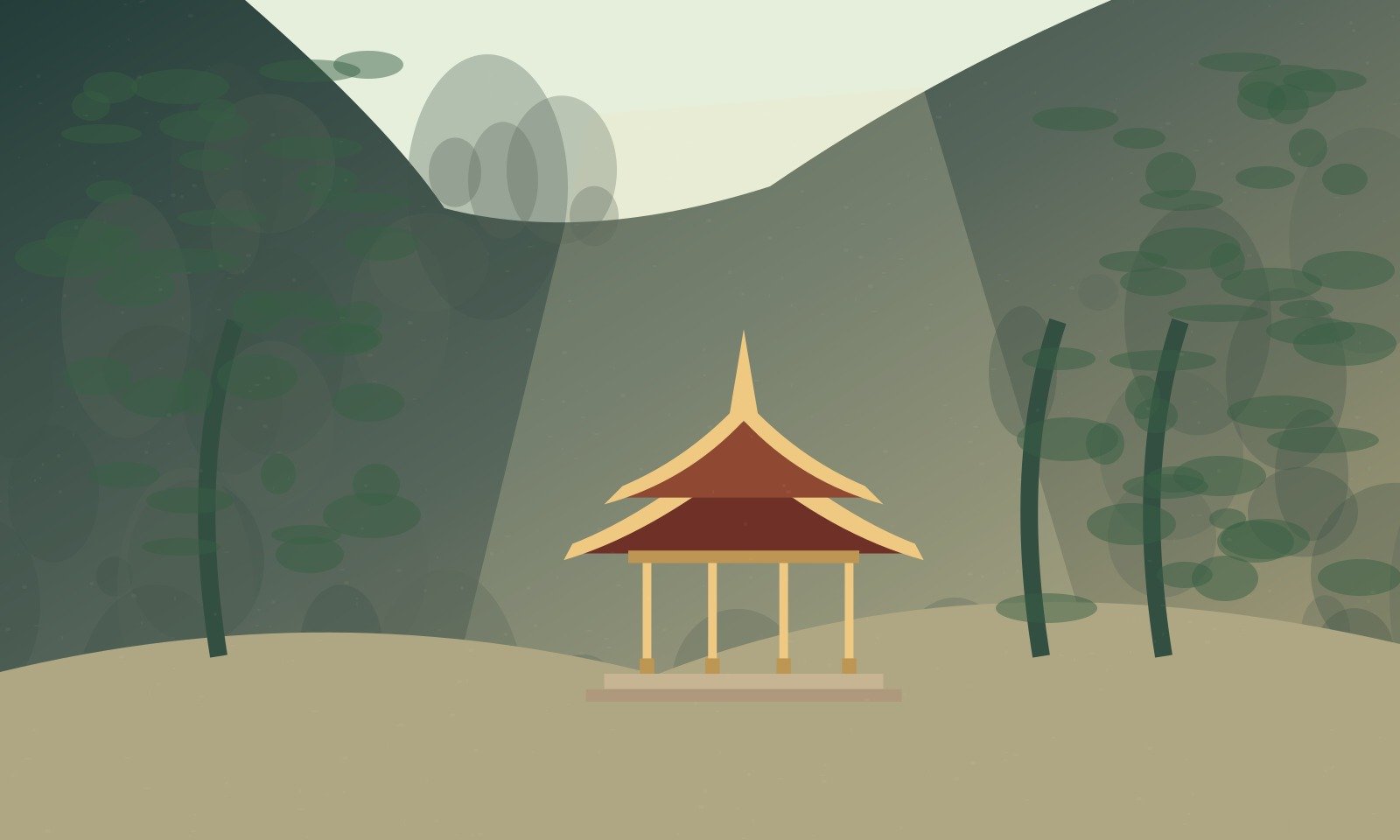
An interpretative Phraya Nakhon-inspired scene, not a documentary photograph or a guarantee of the light.
The best day trips from Hua Hin fall into three different directions, and that is the simplest way to plan them. Head south for the limestone landscapes of Sam Roi Yot and the quieter Pran Buri coast, north for Phetchaburi's historic sights, or inland for a carefully planned waterfall or wildlife excursion. Combining all three directions in one day usually creates a driving itinerary rather than a holiday.
Hua Hin makes a comfortable base because you can return to the same hotel after a demanding walk, a cultural visit or an afternoon in the countryside. However, a national park name on a map does not identify the correct entrance. The cave trail, a wetland boardwalk and a wildlife-viewing station may each require a different destination pin and a different part of the day.
This guide separates those practical choices. Recommendations are research-led planning judgements, not claims that I personally visited every attraction. Tourism-authority pages, visitor information and current operator descriptions were reviewed on 6 October 2026. Where a cost is quoted, its source and review date are stated; suggested journey allowances are estimates rather than guaranteed driving times.
Phraya Nakhon
Choose it for the cave and pavilion, with the uphill trail understood.
Pran Buri
A mangrove visit and an unhurried coastal lunch.
Phetchaburi
A hilltop complex plus one complementary cultural stop.
Kui Buri
The correct viewing area, a suitable afternoon and no promised sightings.
Best day trips from Hua Hin at a glance
A shortlist built around the day you want
These options are compared by experience, physical effort and transport practicality, not by which tour has the highest rating. A cave walk and a mangrove boardwalk are not competing versions of the same excursion. The first rewards a willingness to climb; the second suits a slower day with fewer demanding changes of level.
My suggested durations include a sensible pause for lunch and the return to Hua Hin. They are deliberately broad because a hotel in northern Hua Hin starts in a different position from one towards Khao Takiab. In addition, weekend traffic can change how pleasant an ambitious route feels.
| Outing | Choose it for | Suggested time commitment | Important practical check |
|---|---|---|---|
| Phraya Nakhon | A distinctive cave and pavilion | A full day with a modest afternoon | The final uphill walk remains |
| Sam Roi Yot without the cave | Wetlands, canals and limestone scenery | A tailored full day | Separate entrances and boat arrangements |
| Pran Buri | Mangroves and a coastal lunch | A relaxed half-day or longer | Current trail access and fees |
| Phetchaburi | History and architecture | A full northbound day | Steps and separate site opening times |
| Kui Buri | Wildlife observation in habitat | An afternoon excursion plus road travel | Correct viewing station and local vehicle |
| Pa La-U | Forest and a waterfall trail | A morning-led full outing | Ranger guidance after rain |
| Cha-am | An easy seaside change | A half-day if you keep it simple | Final connection from station or stop |
Suggested planning shapes reviewed 6 October 2026, not published departure schedules.
The rule that saves the most time
Choose the main attraction first, then add something genuinely on the way. For example, a southbound cave day can end with a coastal meal, whereas a northbound Phetchaburi visit can stand on its own with two cultural stops. An extra attraction on the wrong side of Hua Hin is rarely a free addition.
Also distinguish a short visit from a short journey. A viewpoint may occupy only part of the morning but still require a substantial round trip. Consequently, I would compare total hours away and the effort involved, not simply the number of named places included.
Phraya Nakhon Cave: the signature scenery day
The appeal and the physical reality
Phraya Nakhon is the cave-and-pavilion excursion associated with Khao Sam Roi Yot National Park. It is an excellent choice when you want something different from another beach, but it should be approached as an active outing rather than a drive-up photo stop. Official tourism information places the cave within the park's wider limestone landscape. [1][2]
The usual approach involves reaching the Laem Sala side before continuing towards the cave. A boat, when available and suitable, can remove an initial coastal walking section; it does not remove the final uphill trail. Confirm the day's access and landing arrangements before assuming the boat makes the whole visit easy. [3]
Build the morning around the walk
Leave time to pause, drink and descend without rushing. Comfortable footwear with grip matters more than wearing something that looks attractive in the pavilion photograph. Furthermore, the light entering the cave depends on conditions and season, so do not promise yourself a precise sunbeam at a precise minute.
I would make the cave the main event, then keep the afternoon modest. A late lunch and a beach stop are enough after a hot walk. Adding a second demanding viewpoint merely because it is in the same national park can turn an enjoyable day into an endurance exercise.
Sam Roi Yot without the strenuous cave walk
The park is more than one photograph
Khao Sam Roi Yot includes wetlands, limestone scenery, beaches and the Khao Daeng area as well as caves. TAT identifies the wetland and canal landscapes as separate reasons to visit. Therefore, people who cannot manage the cave trail can still build a worthwhile excursion around the wider park. [2]
Choose two compatible stops rather than asking a driver to cover every entrance. A landscape-focused day might combine an accessible viewing area with a canal outing, subject to conditions and actual boarding arrangements. However, the word boardwalk does not guarantee that every section is open, level or suitable for every mobility aid.
Ask for the current usable route
Send the attraction names to the driver and request confirmation of the specific entrances. For a boat trip, establish the departure place, duration and whether your driver waits. Do not assume a park ticket includes a boat or transport between separate sites.
On 6 October 2026, TAT's park page listed foreign-adult admission at THB 200 and foreign-child admission at THB 100. Treat those as the published reference figures to check with the park, not a guarantee covering every activity or vehicle charge. Keep the receipt available while visiting and ask which same-day entrances it covers. [2]

Pran Buri: mangroves and a slower coastal lunch
A gentler contrast to Hua Hin
Pran Buri Forest Park's elevated mangrove trail offers a different landscape from the resort beach. TAT describes an approximately one-kilometre nature-study route, with river and coastal environments nearby. That makes the area a useful choice when you want to spend time outdoors without centring the day on a steep climb. [4]
My preferred shape is a morning forest visit followed by lunch around the coast, with enough flexibility to stop when the group has had enough. It is not necessary to add a cave, a waterfall and a distant viewpoint to justify hiring a vehicle.
Do not rely on old free-entry advice
Published visitor information is not completely consistent about current charging arrangements. In particular, older descriptions of a free visit should not be treated as a fixed promise. Confirm admission, any optional boat fee and the condition of the trail before setting out. [4][5]
A shaded walkway can still be hot and humid, so carry water and take the pace gently. For a wheelchair, walking aid or pushchair, obtain current access details rather than relying on a general easy-walk description. Raised boards, narrow passing points and any damaged sections matter more than the route's modest length.
Phetchaburi: the best history-led excursion
Make the town the destination
Phetchaburi is the strongest northbound choice when you want palace architecture, temples and a proper town visit. Phra Nakhon Khiri, commonly called Khao Wang, contains a hilltop royal complex associated with King Rama IV. TAT describes a mixture of Thai, Western and Chinese architectural influences. [6]
Rather than race between every monument, give the hilltop visit room to breathe. Read the interpretation, look at the buildings and take a shaded break. Then choose one additional cultural stop or a town lunch. That sequence produces a clearer impression than collecting a series of car-park photographs.
Think about access within the complex
Getting up a hill and moving around its attractions are different questions. Ask which transport is operating and what walking or steps remain after you arrive. A lift, vehicle or cable service, where available, should never be assumed to make every part of a historic site step-free.
Wear clothing suitable for religious spaces as well as sightseeing in the heat. Keep food and loose possessions secure around monkeys, and avoid encouraging them for photographs. Finally, allow time for the return journey without making a late hotel dinner the fixed deadline that cuts your cultural visit short.

Tham Khao Luang: a good Phetchaburi pairing
A different cave experience
Tham Khao Luang is a cave temple near Phetchaburi, with Buddha images and a roof opening that admits daylight. It is not the same place as Phraya Nakhon, despite both appearing in Hua Hin excursion searches. TAT's description makes clear that this is a place of worship as well as a geological setting. [7]
Pair it with Phetchaburi when your group enjoys temples and is comfortable with the required steps. Alternatively, choose it instead of a second hilltop visit when you would prefer to spend more time in one atmospheric space. Neither combination requires a detour south to Sam Roi Yot on the same day.
Keep the visit respectful and realistic
Dress modestly, speak quietly around worshippers and follow signs about access and photography. A cave can be cooler than the open road without being effortless to reach. Moreover, stairs that seem manageable on the way down may be a more noticeable challenge on the return.
Ask your driver about the exact drop-off arrangement and any remaining walk. Carry only what you need inside, leaving snacks secured rather than visible. For travellers concerned about steps or enclosed spaces, a town-based temple or café stop is a sensible alternative, not something that needs an apology.
Kui Buri: wildlife without a guaranteed sighting
Why it deserves its own afternoon
Kui Buri is known for opportunities to observe wild elephants and gaur in a managed viewing area. TAT identifies wildlife observation as a principal reason to visit, while specialist visitor information distinguishes the viewing station from the park headquarters. The distinction matters when arranging transport from Hua Hin. [8][9]
Ask for the wildlife-viewing departure area by name, not simply Kui Buri National Park. A driver taking you to a headquarters pin has not necessarily delivered you to the place needed for the excursion. Likewise, a transfer from Hua Hin is not automatically the same purchase as the local wildlife vehicle and guide.
Choose observation over promises
No responsible wildlife plan can guarantee which animals will appear. I would book because the habitat, patient observation and possibility of sightings appeal, rather than because an advertisement supplies an impressive percentage.
Confirm the current afternoon visiting arrangements, vehicle capacity and final entry time with the local provider. Then leave enough road time on either side. This is not an activity to squeeze in after a strenuous cave walk when you are already behind schedule. Binoculars, quiet behaviour and a willingness to wait can contribute more than trying to chase another viewing point.

Pa La-U Waterfall: for visitors who want a forest day
Choose the correct Kaeng Krachan access
Pa La-U lies within Kaeng Krachan National Park's wider forest landscape, inland from Hua Hin. TAT describes a waterfall reached along a trail beside the stream, with bird and butterfly interest in the surrounding forest. However, that does not mean every upper section is open or appropriate on the day you visit. [10]
The useful planning distinction is between Pa La-U and other Kaeng Krachan access areas. A broad national-park label can conceal separate roads and very different visiting plans. Send the waterfall name and the agreed entrance pin rather than letting a general search result choose your destination.
Let conditions decide how far you walk
Expect uneven footing and treat wet rock with caution. After heavy rain, follow ranger restrictions even when the waterfall looks impressive. More water is not automatically a better visitor experience, especially when it changes stream crossings or access.
I would plan this as a morning forest outing with a flexible turnaround, not a challenge to reach the highest possible level. Ask what footwear is suitable, whether a guide is recommended and which sections staff currently allow. A shorter walk with time to notice the forest can be more rewarding than continuing beyond your comfort simply because a higher cascade exists.
Cha-am: the low-pressure option
When an easy seaside change is enough
A Cha-am outing suits travellers who would rather have a relaxed meal and a different stretch of coast than another major attraction. It is especially useful when someone in the group needs a break from long walks. However, it should be chosen for that easy pace, not sold to yourself as a completely different island experience.
Pick a clear purpose: a morning by the sea, a lunch meeting or a short stop as part of a northbound journey. Then leave time unallocated. The freedom to sit longer is precisely what distinguishes this day from a guided programme with repeated departure calls.
Keep the transport proportionate
For a straightforward town-to-town outing, compare the relevant dated public-transport options before paying for a full-day private vehicle. Nevertheless, a station or roadside stop may not be near the beachfront destination you actually want. Add the local connection at both ends before deciding what is easiest.
Do not combine a short seaside visit with a distant inland attraction just to fill the afternoon. Returning to Hua Hin early can be a benefit, particularly before an evening market visit or an early departure the next day. A successful half-day does not have to expand into a full-day commitment.
Prachuap Khiri Khan and Ao Manao: for a longer coastal day
Choose the town and bay deliberately
A farther-south coastal outing can focus on Prachuap Khiri Khan and the nearby Ao Manao bay. TAT identifies Ao Manao as a curved bay south of the town under Royal Thai Air Force care. This is a different location from similarly named places elsewhere in Thailand, so check that your map pin is in Prachuap Khiri Khan. [13]
I would choose it when the idea of a town visit and a long coastal lunch is more appealing than another active park day. However, the additional journey should have a purpose. Travelling farther simply to spend a few hurried minutes at the beach does not necessarily improve on a relaxed Pran Buri outing.
Verify access rather than assuming an ordinary public-beach entrance
Because the bay sits within an air-force-managed area, check current visitor access, identification requirements and permitted areas before leaving Hua Hin. A tourism description of the beach is not confirmation that every entrance or nearby viewpoint is freely accessible on your date. Follow instructions and do not treat operational areas as sightseeing extensions. [13]
The practical plan is one town stop, lunch and time at the bay when access and conditions allow. Keep the return arrangement clear, especially if you have arrived by public transport rather than with a waiting driver. Also avoid interpreting sheltered scenery as a guarantee of safe swimming; use current local guidance.
For travellers particularly drawn to the area, an overnight stay may be more satisfying than repeatedly watching the clock for the journey back. That is worth considering on a longer Thailand route, although it is not necessary for a straightforward Hua Hin holiday. The decision should come from wanting more time there, not from discovering too late that an overfilled day cannot be completed comfortably.
WFFT: a pre-booked rescue-centre learning visit
A different format from wild-elephant observation
Wildlife Friends Foundation Thailand offers organised full-day and half-day visits to its rescue projects. Its own visitor information describes guided learning about rescued animals and says that visitor numbers are limited. This is not the same experience as looking for wild animals in Kui Buri, so compare the purpose before choosing between them. [14]
Someone interested in animal care and the background to individual rescues may prefer this structured educational format. Conversely, a traveller whose main interest is observing wildlife in habitat should retain Kui Buri as a separate choice. Neither should be sold as a guaranteed version of the other.
Arrange the visit with the organisation
WFFT's contact information states that visits require an appointment or booked day trip. Do not arrive unannounced on the assumption that the centre works like an unrestricted public attraction. Check the current programme, availability, walking involved and whether your accommodation falls within any offered pickup arrangement. [15]
Read the visitor rules yourself and ask about anything important to your animal-welfare preferences. An organisation's programme can change, and a description copied into an old hotel brochure may not reflect the visit now offered. Likewise, confirm which food and transport arrangements apply to the full-day or half-day option you select.
I would leave the rest of that day uncluttered. A guided learning visit deserves attention, and adding several unrelated attractions afterwards can undermine the value of choosing it. For families, explain the purpose in advance: the interest is understanding the animals and the work being done, not expecting every species to be visible or available for interaction whenever visitors arrive.
Three route shapes that work better than a mega-tour
The active southbound day
Make Phraya Nakhon the main morning activity. After the walk, have lunch and choose one modest coastal stop that conditions and energy levels allow. I would leave another steep viewpoint for a different day, particularly with children or anybody unaccustomed to the heat.
A non-hiking version can focus on the wetland and canal landscapes instead. The key is to agree the version before the vehicle leaves Hua Hin. Otherwise, passengers can arrive expecting a gentle sightseeing day and discover that the main attraction requires an unsuitable climb.
The cultural northbound day
Visit Phra Nakhon Khiri and one complementary site in Phetchaburi, with a town lunch between them if that suits opening arrangements. Tham Khao Luang is a logical candidate for people comfortable with steps. However, people who prefer fewer changes can simply spend longer around the historic town.
The wildlife-focused day
Keep the morning light, travel to the correct Kui Buri viewing area and organise the local wildlife excursion around its confirmed operating arrangements. Return directly afterwards rather than promising another substantial attraction on the way home.
These are editorial route suggestions, not fixed tour schedules. Ask a local provider to check the exact timings for your accommodation, travel date and current access. A sensible operator should be able to explain what needs removing when the proposed day becomes too crowded.
Driver, guided tour or public transport?
Public transport works best between towns
Trains, buses and vans can be useful for moving along a corridor, but they do not necessarily solve the final kilometres to a rural entrance. Before travelling independently, identify the arrival point, onward transport and a reliable way back. The return arrangement deserves at least as much attention as the outbound fare.
For someone without a vehicle, Phetchaburi or Cha-am may be a more manageable independent outing than a scattered national-park day. Yet even there, the station or terminal and your intended sights are separate locations. Allow money and time for the local connection rather than treating the intercity ticket as the whole trip.
A driver and a guide provide different services
A private driver can make a rural route workable, but a driving service does not automatically include historical interpretation, park guidance or assistance throughout a walk. State which service you need when asking for quotations.
Agree the start point, route, waiting time, final destination and overtime arrangement in writing. Also ask whether fuel, tolls, parking and any guide's expenses are included. For a family, confirm the vehicle and restraint requirements rather than assuming a generic van description answers those questions.
When to start and when to leave space
Put demanding activities before the hottest part of your day
For a cave or forest walk, an early departure usually creates a more comfortable margin than beginning after a leisurely hotel lunch. The exact visiting window still depends on local opening and access rules, so confirm those rather than arriving before staff can admit visitors.
Wildlife observation may follow a different rhythm. Therefore, do not use the same early-start template for every outing. Build a Kui Buri day around the viewing area's confirmed programme, with an uncomplicated morning beforehand.
Check weather at the destination
Hua Hin's beachfront conditions are not a complete forecast for inland forest or a coastal boat crossing. Use Thai Meteorological Department information and ask the local attraction about restrictions, especially following heavy rain. [11]
Keep one lighter day between demanding excursions when possible. Feet, shoulders and concentration all benefit from a slower interval, and a tired group is more likely to rush decisions about transport or trails. Furthermore, avoid placing your most remote outing immediately before an important onward connection. An earlier return to Hua Hin is easier to protect when the day's final attraction is optional.
Build a budget from the actual route
Separate transport from admission and activities
The main budget difference between these day trips is often the vehicle arrangement, not the headline entry ticket. A modest admission charge can sit inside an expensive private excursion, while a more substantial guided price may already include several necessary services. Compare the final package rather than one isolated number.
For example, a cave day can involve road transport, park entry and an optional local boat. A wildlife day may involve road transport plus a separate viewing-area vehicle and guide. Put each component on your comparison sheet and mark what is payable locally.
| Route | Main components to price | Ask the provider |
|---|---|---|
| Cave day | Vehicle, park ticket, possible local boat, lunch | Does the boat remove only the coastal approach? |
| Wildlife afternoon | Hua Hin transfer, local viewing vehicle and guide | Are these one booking or separate payments? |
| Phetchaburi | Road travel, site admission and any local access transport | Which fees and waiting time are included? |
| Pran Buri | Road travel, current access charges and optional boat | Which trail and activities are actually open? |
| Town-to-town outing | Intercity fare plus local travel at both ends | Where does the service really arrive? |
Cost checklist, not a fare quotation. Any admission example in the article is explicitly dated.
Use published prices as dated references
Tourism pages can retain older prices and broad opening labels. Consequently, any figure in this guide should be rechecked with the attraction before travel. Do not convert an old online fee into a precise family total without also checking the applicable age or height categories.
Ask whether quotations are per person or per vehicle, and whether children need seats even when their admission is discounted. Finally, allow a small contingency without letting it justify an unsuitable booking. Clear inclusions and a workable return journey are worth more than arriving with extra cash and hoping every missing detail will be straightforward.
Choose a Hua Hin base that supports your outings
Hotel location affects the first and last hour
A hotel can be excellent for a beach holiday while adding time to a particular excursion. Look at the position of your main day trips before deciding whether proximity to the town centre, the southern coast or a northern road departure matters most.
However, I would not move hotels solely to save a small amount of driving on one day. The inconvenience of checkout, luggage and a second check-in can outweigh the benefit. Instead, choose a base that works for most evenings, then accept one longer transfer when a special excursion warrants it.
Keep onward travel separate
For an onward Bangkok journey, select a dated service and check where it arrives. Do not assume every bus, van or train uses the same Bangkok terminal. A day trip returning late to Hua Hin is also a poor foundation for a tight onward connection.
Use your final evening to repack, confirm the departure and keep the following morning straightforward. A late hotel checkout, where available, can be helpful, but it should be confirmed with the property rather than built into a plan on the assumption that it will be granted.
How to judge wildlife and animal attractions
Wild viewing and captive encounters are different
Kui Buri's wildlife-viewing proposition is observation in habitat, not guaranteed close contact. Treat any alternative attraction according to what visitors actually do there. Words such as sanctuary, rescue and conservation are not a complete account of the visitor experience.
Ask whether animals perform, carry people or are handled for photographs. Then decide whether the activity matches your standards. A venue can offer attractive scenery and still contain experiences you prefer not to support; buying a broad package may fund more than the part you intend to see.
A practical research approach
Look for a clear explanation of the animals' care, the organisation's work and the exact visitor rules. If an operator cannot explain how a wildlife visit is managed, choose a different excursion rather than relying on an appealing name.
Around monkeys, keep possessions and food secured and avoid encouraging contact. At a national park, remain within the permitted visitor area and follow ranger instructions. The purpose is to observe without changing the animal's behaviour for a photograph. A patient distant sighting can be the highlight of a day even when it produces a less dramatic image than an advertisement.
What to take and what to arrange beforehand
Pack for the actual surface underfoot
A cave trail, a town pavement and a mangrove walkway call for different expectations. Take suitable footwear, sun protection, drinking water and a modest cover-up for religious sites. A small bag leaves your hands freer than carrying several loose items during a climb.
Keep essential medication and required payment methods accessible. Before an excursion involving boats or a strenuous walk, discuss any relevant personal limitations with the provider and, where appropriate, a qualified health professional. The provider needs useful information before departure, not after reaching an unsuitable trail.
Make communications resilient
Save your accommodation details, the return arrangement and the driver's contact offline. Mobile data can assist with maps and messages, but it should not be the only place your booking information exists.
An eSIM can be convenient for a compatible device; compare coverage descriptions, validity and plan features rather than choosing only by the headline allowance. Airalo publishes Thailand plan information, but reception at a particular rural attraction is not guaranteed by having purchased a plan. [12]
The benefits and limitations of a Hua Hin base
Why the arrangement works
You can alternate coast, culture and nature while sleeping in the same place. That is particularly useful for a mixed-interest group: a demanding cave day can be followed by a slow morning, and a northbound town visit offers a different experience without requiring another hotel change.
A familiar base also simplifies meals, laundry and luggage. Once you know your neighbourhood, returning from an excursion does not require another round of orientation. Those small conveniences make a noticeable difference over a week-long stay.
Where the compromise appears
Some of the most interesting sights are rural and do not have simple public-transport connections at both ends. Private driving or a suitable organised tour can therefore become part of the realistic cost. Moreover, travel between separate park entrances can consume time that a compact town attraction would not.
The answer is not to abandon excursions, but to choose them selectively. Two well-designed days can add more to a beach holiday than five crowded itineraries. Likewise, a traveller who mainly wants deep forest exploration may be happier with an overnight stay nearer that environment rather than repeatedly travelling back to Hua Hin.
Common mistakes to avoid
Treating every national-park pin as interchangeable
Pa La-U, other Kaeng Krachan access areas, Sam Roi Yot's different visitor sites and Kui Buri's wildlife station each require a specific plan. Send the correct attraction names and agree the entrance before setting out. A broad park name is not enough for a dependable driver instruction.
Another frequent mistake is assuming the Phraya Nakhon boat replaces all the walking. It does not remove the final trail. If that climb is unsuitable, choose a different Sam Roi Yot day rather than hoping an alternative vehicle will carry you to the pavilion. [3]
Adding more because transport is already paid for
A full-day hire can tempt you to keep adding stops. However, a vehicle's availability does not create extra daylight or energy. The best use of the driver may be waiting while you enjoy one place properly.
Also avoid visiting a waterfall simply because heavy rain has made it look impressive online. Check restrictions and turn back when staff advise it. Finally, do not book a wildlife excursion around a promised sighting, a cave around a guaranteed shaft of sunlight or a rural return around an unconfirmed lift. Each of those plans depends on something outside your control.
Frequently asked questions
What is the best day trip from Hua Hin for a first visit?
For travellers comfortable with an active walk, Phraya Nakhon Cave is my first scenery-led choice. Phetchaburi is the better answer for history and architecture, while Pran Buri suits a gentler pace. Choose according to the group's physical needs and interests rather than treating one attraction as compulsory for every Hua Hin holiday.
Can I reach Phraya Nakhon Cave without hiking?
The boat approach does not remove the final uphill trail to the cave. Confirm the current approach with the local provider, but do not book on the assumption that a boat delivers passengers directly to the pavilion. A different Sam Roi Yot outing is the more suitable choice when that walk is beyond your comfort or mobility. [3]
Can I combine Sam Roi Yot and Kui Buri in one day?
A provider may offer a combination, but I would not make it the default for a first visit. The cave can be tiring, the wildlife area has its own visiting arrangements, and separate entrances add road time. Combining a modest morning activity with wildlife may work; combining every major park highlight usually sacrifices flexibility and comfort.
Is a private driver necessary?
Not for every outing. Town-to-town public transport can be useful, especially when you have checked the local connections at both ends. Rural park visits are less straightforward because arrival and return transport are separate problems. A private driver or organised excursion becomes valuable when it solves those final kilometres reliably rather than merely replacing a simple intercity journey.
Which day trip works in unsettled weather?
A flexible Phetchaburi town visit may be easier to adapt than a forest trail or coastal boat plan, but severe weather can affect road travel too. Check local forecasts and the attraction's access position. Avoid assuming that a cave or waterfall is a safe wet-weather alternative simply because part of the attraction is sheltered or water-based.
Will I definitely see elephants at Kui Buri?
No wildlife sighting should be guaranteed. Book for the chance to observe animals in habitat and follow the guides' approach to searching and waiting. Conditions, animal movements and access can change the result. A provider quoting a historical success rate is not selling certainty for your particular afternoon, and the landscape remains part of the experience.
Are these excursions suitable for children?
Some are, but suitability depends on age, attention span, heat tolerance and the exact activity. A shorter Pran Buri or seaside outing may be easier than a steep cave climb. Check child-size safety equipment for boats, vehicle arrangements and admission categories. A family ticket is a pricing product, not a substitute for assessing whether the route works for your children.
How many excursions should I plan in a week?
I would begin with two substantial outings and one optional half-day, leaving space for Hua Hin itself. For example, combine a Sam Roi Yot scenery day with Phetchaburi, then add Pran Buri only when the pace feels comfortable. Travellers mainly interested in wildlife could replace one of those days with Kui Buri rather than adding another commitment.
My recommended approach
Choose one memorable excursion in the south and one contrasting day in the north or inland. Phraya Nakhon and Phetchaburi make a strong combination for an active first visit. However, replacing the cave with Pran Buri can produce a better holiday for a group that prefers gentle walking and long lunches.
For wildlife enthusiasts, give Kui Buri its own properly arranged afternoon. For forest lovers, confirm a suitable Pa La-U visit and let conditions determine how far you walk. Neither needs to be squeezed into an already crowded sightseeing circuit.
The most useful preparation is surprisingly small: identify the correct entrance, agree the return journey and check what the day actually includes. Once those details are settled, you can spend more time enjoying the countryside, historic buildings or coastline and less time solving problems in a car park. Hua Hin works best as a comfortable base for a few deliberate choices, not a launching point for a daily race through every surrounding attraction.
Sources and fact-checking
The route recommendations separate northbound culture, southbound coastal parks and inland visits. Tourism pages can retain older fee fields, so entry prices are not treated as a substitute for confirmation from the attraction. Thai National Parks is a private operator, not a government department.
Sources reviewed on 6 October 2026. Editorial recommendations and illustrative planning examples are identified separately from published prices and operator information.
- Tourism Authority of Thailand: Phraya Nakhon CaveDestination identification and the cave-pavilion setting.
- Tourism Authority of Thailand: Khao Sam Roi YotPark landscapes and the displayed foreign-visitor admission figures, reviewed 6 October 2026.
- Thai National Parks: Sam Roi Yot visitor guidePrivate tour-operator guide used for the Laem Sala approach and remaining steep cave trail; not the park authority.
- Tourism Authority of Thailand: Pran Buri Forest ParkMangrove-trail and landscape context.
- Thai National Parks: Pran Buri Forest ParkPrivate visitor-guide cross-check; confirm current charges and usable paths with the site.
- Tourism Authority of Thailand: Phra Nakhon KhiriHistoric hilltop complex and architectural context.
- Tourism Authority of Thailand: Tham Khao LuangCave-temple identification and religious context.
- Tourism Authority of Thailand: Kui Buri National ParkWildlife-viewing context; sightings remain uncertain.
- Thai National Parks: Kui Buri visitor informationPrivate operator reference for the separate wildlife-viewing area and visitor arrangements.
- Tourism Authority of Thailand: Namtok Pa La-UForest, waterfall and Kaeng Krachan location.
- Thai Meteorological DepartmentOfficial forecasts and warnings; check again for the actual excursion date and destination.
- Airalo: Thailand eSIM plansProvider information for device, validity and plan checks; coverage is not guaranteed at every rural or offshore location.
- Tourism Authority of Thailand: Ao ManaoPrachuap Khiri Khan bay and air-force management; current visitor access must be checked.
- Wildlife Friends Foundation Thailand: day visitsThe organisation's own full-day and half-day programme and booking information.
- Wildlife Friends Foundation Thailand: visitor contactAppointment requirement and direct visitor enquiries.
Illustrations in this article were created for Taylor’s Trailblazing Travels. Third-party photographs, where used, are credited beside the image or in the source list.