Eating well / Food and water
Thailand Food and Water Safety Guide
Judge how food is handled and served, not whether it comes from a street stall or an expensive dining room.
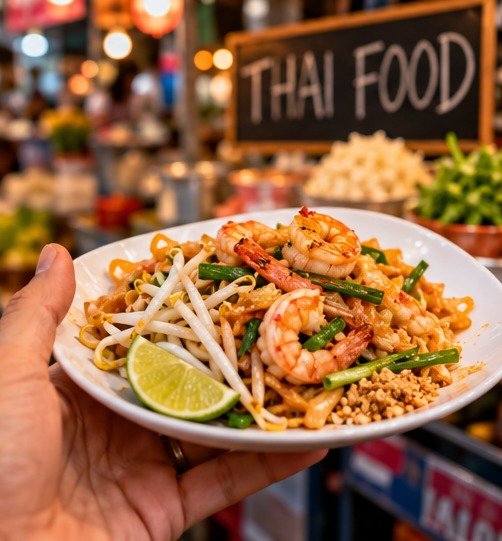
Original Thai-inspired food illustration. It is not a photograph of an inspected stall or evidence that any pictured dish is safe or allergen-free.
Thailand food and water safety is not a choice between eating nothing adventurous and accepting every dish without questions. A more useful approach is to understand the few processes that matter: safe water, clean hands, proper cooking, separation of raw food and appropriate temperature control. Those principles apply in a hotel restaurant as well as at a pavement stall.
You cannot identify every hazard by sight or guarantee that a meal will not cause illness. A busy queue, a high price or a glowing review is not a microbiological test. However, you can make more informed choices, prepare for allergies or particular medical needs and know when symptoms should interrupt the holiday.
This guide is general, research-led travel information rather than a diagnosis or an individual diet plan. People who are pregnant, immunocompromised, very young or older, and those with food allergies or relevant conditions, should obtain personalised advice. The examples are organised by decisions at the point of eating and drinking, not by a ranking of Thai dishes or vendors. No restaurant has been inspected, and no affiliate listing is a safety endorsement.
Best food question
How was it handled?
Look for thorough cooking, appropriate storage and separation of raw and ready-to-eat food.
Best water habit
Know the source
A reusable bottle carries water; it does not make uncertain water safe.
Best allergy preparation
Explain the actual allergen
Use an accurate translated card and ask about sauces, utensils and cross-contact.
When unwell
Hydration and assessment
Do not let a transfer or tour deadline delay care for concerning symptoms.
Thailand food and water safety: follow the process
Look at handling rather than the venue label
The core food-safety principles are familiar: keep things clean, separate raw foods from ready-to-eat foods, cook properly and keep perishable food at appropriate temperatures. CDC guidance uses this framework because contamination can happen at different stages, not only while a meal is on the plate. [3]
A street stall is not automatically unsafe and a luxury buffet is not automatically safe. Assess the particular process as far as you reasonably can. A cook preparing food to order provides different information from a tray that has been sitting at an uncertain temperature, regardless of the room in which it is served.
Recognise the limits of observation
You cannot see every germ, storage history or water source. Use visible checks to reduce avoidable uncertainty rather than claiming they certify a meal. If you are especially vulnerable to foodborne illness, discuss a more cautious approach with your clinician before travelling.
The comparisons in this guide are editorial decision aids. They are not a league table of Thai foods, a hygiene inspection or evidence that a specific vendor caused an illness. Avoid accusing a business based only on the last meal eaten; symptoms can have different causes and delays.
| Choice | Useful question | Unreliable shortcut |
|---|---|---|
| Drinking water | Is the source known to be safe? | It looks clear |
| Ice | How is it supplied and handled? | The cube has a hole |
| Hot meal | Is it cooked thoroughly and served hot? | The stall has a queue |
| Buffet | Are hot and cold foods held appropriately? | The hotel is expensive |
| Allergy-sensitive meal | Can ingredients and cross-contact be addressed? | The menu says vegetarian |
This table compares decision quality, not the safety of a particular business.
Choose drinking water from a reliable source
A sealed bottle is a practical starting point
Use water known to be safe for drinking. Commercially sealed bottled water from a reputable source is often a straightforward travel choice; check the cap and seal rather than accepting a bottle that appears previously opened. Where water quality is uncertain, follow established treatment guidance instead of assuming that clear water is safe. [1]
Ask the accommodation where its drinking-water refills come from and how they are maintained. A dispenser may provide a convenient alternative to repeated small bottles, but its presence alone does not answer the quality question. If the source cannot be explained, choose another drinking-water option.
Keep the bottle clean too
An easy-clean refillable bottle is useful only when you can fill and maintain it appropriately. Choose a design you can clean, including the cap or spout, and do not let a reusable container become a reason to accept uncertain water. It carries water; it does not automatically treat it.
Keep drinking water separate from water intended only for washing. Label or organise supplies clearly when sharing a room with children or several adults. Confusion is easier to avoid by setting a routine at the start than by trying to remember which unmarked bottle was filled where.
Treat ice as a source question, not a shape test
Ask how it is supplied and handled
Ice made from unsafe water can carry the same concerns as the water itself. Ask about a reliable commercial source and look at handling: ice for drinks should not be taken from a container contaminated by other uses. A scoop and protected storage provide more useful clues than guessing from the cube’s appearance. [4]
A hole through the middle, a clear finish or a particular shape cannot reveal microbiological safety. Do not repeat the claim that one ice shape is always safe throughout Thailand. When you cannot establish the source and prefer to reduce uncertainty, choose a sealed cold drink without ice.
Remember what else goes into the drink
A smoothie or iced coffee can involve water, ice, milk, fruit, utensils and a blender. Asking only about the ice leaves the rest of the process unexamined. This does not mean every mixed drink should be avoided; it means the drink should be assessed as food preparation, not merely as a decorative glass.
For a person with an allergy or increased vulnerability, a simple sealed option can make the ingredients easier to understand. Choose the level of complexity that suits your needs rather than feeling obliged to order a drink because it looks appealing in a photograph.
Use safe water for more than the glass
Think about teeth, food preparation and medicines
When water quality is uncertain, use safe water for activities that may involve swallowing it, including brushing teeth and preparing drinks or medicines. Avoid swallowing water while showering or swimming. A supply that is adequate for washing surfaces is not automatically suitable for consumption. [1]
Read the instructions for oral rehydration products, infant feeds or medicines that need mixing. Use the specified amount and an appropriate water source. Do not make a solution stronger because you are worried about dehydration or because a smaller bottle is more convenient.
Understand the treatment method you choose
A filter, purifier, boiling method or chemical treatment has specific capabilities and instructions. An ordinary reusable bottle or a basic sediment filter should not be described as removing every biological or chemical hazard. For remote travel, ask a qualified adviser which treatment is appropriate for the likely water source. [4]
For an ordinary hotel-based trip, buying unfamiliar treatment equipment may add complexity without solving a problem you actually have. Establish a reliable source first. Specialist treatment becomes useful when you understand the method, its limits and how to operate it correctly.
Choose street food by what happens in front of you
Fresh preparation provides useful information
Look for food cooked thoroughly and served hot, with a clear separation between raw ingredients and the finished dish. Watch how utensils and hands are used. A busy stall may have good turnover, but a queue alone cannot confirm hygiene or safe storage. [1]
You do not need to conduct an inspection or interrogate every cook. A short observation can tell you whether the process is understandable and whether there is an obvious reason to choose another stall. Keep the decision respectful: declining a dish is enough; you do not need to label the whole market unsafe.
Make the first order simple
When you are still learning how a place works, choose a dish whose preparation and ingredients you can follow. A cooked-to-order meal may be easier to assess than several mixed items from different trays. This is a practical starting point, not a rule that one Thai dish is universally safer than another.
If you need cutlery you can keep clean, a reusable travel cutlery set may be convenient. It does not compensate for unsafe food, and it must itself be cleaned and stored properly. Equipment should support a sensible meal choice rather than create false reassurance.
Be careful with buffets and food kept warm
The tray is not the whole story
At a buffet, consider whether hot food is kept genuinely hot and cold food genuinely chilled. A lid, decorative lamp or attractive display does not establish the holding temperature. Food that appears to have been sitting lukewarm for an uncertain period is a reason to choose a freshly prepared alternative. [3]
Go for a portion you can eat promptly rather than collecting several plates that remain on the table while you take photographs or return for more. The longer a perishable dish spends away from appropriate temperature control, the less useful the original buffet arrangement becomes.
Breakfast deserves the same attention
When comparing Chiang Mai accommodation with breakfast options, do not treat breakfast included as a hygiene rating. Ask about the style of service if it matters to your health or dietary needs. A freshly prepared option may be easier for some travellers to assess than a large buffet with uncertain turnover.
For late arrivals or early departures, establish what will actually be provided. A packed breakfast may contain perishable ingredients that need chilling. Ask when it was prepared and how it should be stored rather than assuming anything handed over by a hotel remains safe for a long journey.
Understand why cooked rice still needs care
Cooking does not end every storage question
Rice can contain bacterial spores that survive cooking. If cooked rice is left at room temperature, bacteria can multiply and produce toxins; reheating does not reliably undo poor handling. The Food Standards Agency therefore stresses prompt cooling and appropriate refrigeration when rice is kept for later. [5]
This does not make fried rice or every reheated rice dish unsafe. The important question is how the rice was cooled, stored and reheated. Do not infer the answer from the dish name or the fact that steam is visible when it reaches the table.
Be conservative with takeaway leftovers
In a room without a reliable refrigerator, buying a smaller fresh meal is often more practical than saving a large rice dish for the next day. A minibar that merely feels cool may not provide the storage conditions you need. Ask about the equipment rather than using the presence of a fridge-shaped cabinet as proof.
If you do keep leftovers, follow safe cooling, refrigeration and reheating guidance. A leakproof food container can prevent spills but does not control temperature. Do not leave a meal in a beach bag or vehicle and then treat the container’s seal as a safety feature.
Assess seafood and raw animal foods cautiously
Fresh-looking is not the same as safe to eat raw
Raw or undercooked seafood, meat and eggs can carry infection risks. Cooking thoroughly is a more reliable protection than judging freshness by appearance. Lime juice, chilli or alcohol should not be treated as a substitute for proper cooking. Choose a cooked option when the preparation or source is uncertain. [4]
Thailand-specific travel-health guidance also notes risks associated with raw freshwater fish. Do not assume a dish is safe merely because it is traditional, locally popular or described as lightly cured. Ask what is raw and how it is prepared, especially when you cannot recognise the ingredients. [6]
Keep personal vulnerability in the decision
People who are pregnant, immunocompromised or otherwise at increased risk may need stricter advice about raw foods. Obtain that advice before travel rather than asking a restaurant to decide what is medically suitable for you. The restaurant can explain ingredients and preparation; the clinician advises on your individual health needs.
A seafood display on ice can be reassuring as far as storage goes, but it does not prove the entire cold chain or preparation process. Continue to ask for thorough cooking and appropriate handling rather than relying on one visible feature.
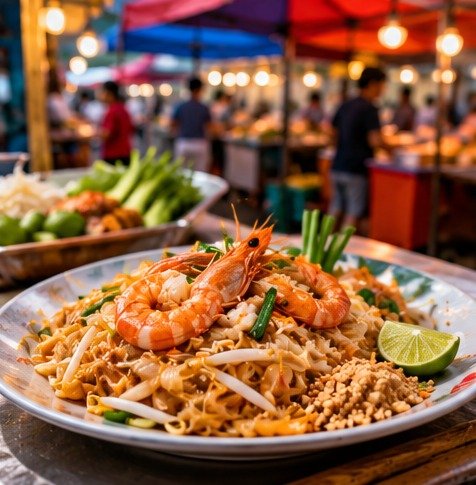
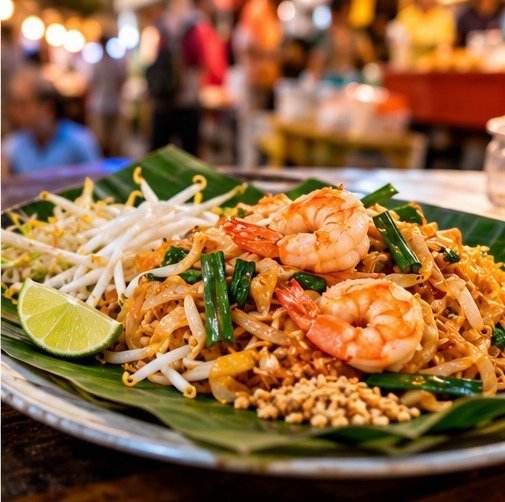
Choose fruit, salads and garnishes thoughtfully
Peeling can simplify the question
Fruit you can peel yourself with clean hands and utensils can reduce uncertainty about washing and handling. Pre-cut fruit, raw salad leaves and garnishes involve additional preparation steps and may have been washed with water you cannot assess. This is a reason for a considered choice, not a claim that all cut fruit is unsafe. [1]
Look at storage, cleanliness and how the fruit is served. A vendor using the same unclean surface for different foods creates a different situation from a clear, well-managed preparation process. If you cannot understand what is happening, choose an alternative without turning it into a confrontation.
Do not make raw additions an afterthought
A hot meal can arrive with a handful of raw herbs, sprouts or vegetables. Decide whether you want those additions rather than assuming the whole plate has been cooked. People with particular medical risks should follow their clinician’s advice about raw foods and sprouts. [3]
For a long outing, whole fruit or a suitable shelf-stable snack may be simpler than carrying cut produce without chilling. The right choice depends on the journey and your dietary needs, not on a universal list of good and bad tropical fruit.
Check dairy, eggs and mixed drinks
Ask about pasteurisation and storage
Use pasteurised dairy products and avoid assuming that every local milk-based drink has been handled in the same way as a sealed product from a refrigerator. Consider both the ingredient and its storage. A cold glass does not establish how long the milk or mixture was warm before serving. [4]
For eggs, ask for thorough cooking when you need a cautious choice. UK advice that makes exceptions for certain assured egg schemes should not be transferred automatically to eggs from an unknown source abroad. A familiar breakfast name does not tell you which supply standard applies. [5]
Choose drinks whose ingredients you understand
A juice, shake or dessert drink may contain milk, yoghurt, ice, syrup or other ingredients not obvious from its name. Ask before ordering when allergies or other restrictions matter. The staff member taking the order may need to check with the person actually preparing it.
If the answer remains uncertain, a simpler sealed alternative can be a practical decision. You do not need to prove the drink is unsafe to choose something else. The aim is a meal or drink that fits your needs without relying on assumptions.
Make hand hygiene a habit before eating
Soap and water remain the starting point
Wash hands with soap and suitable water before handling food and after using the toilet. Remember that your hands may have touched cash, transport rails, bags and a phone immediately before a meal. Cleaning them only when they look dirty misses much of the point. [3]
A small travel soap container can be useful where facilities have water but no soap. Keep it clean and accessible instead of packed at the bottom of a suitcase. The best kit is the one you can use at the moment it matters, not the largest one you own.
Sanitiser has a supporting role
Alcohol hand sanitiser can be useful when soap and water are not immediately available, but it is not equally effective against every cause of stomach illness and is less useful on visibly dirty hands. Do not describe it as a complete substitute for washing. Follow the product’s instructions and supervise children. [1]
You can compare travel-sized alcohol hand sanitisers if you need one, while checking the formulation, label and airline liquid rules. Avoid products advertised with sweeping claims that they make every meal safe. Hygiene reduces risk; it does not certify the food being served.
Know how to respond to a severe allergic reaction
Treat breathing or circulation symptoms urgently
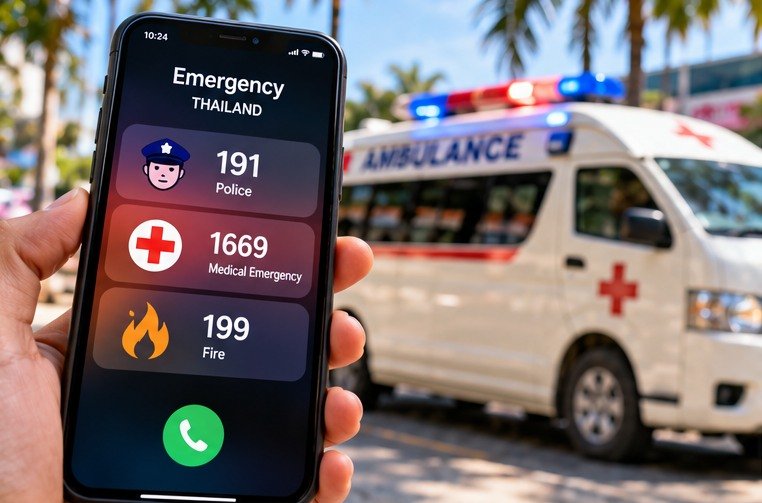
A suspected anaphylactic reaction is an emergency. Follow the person’s prescribed plan and use an adrenaline auto-injector according to its instructions when indicated, then call 1669 in Thailand. Do not wait to see whether an antihistamine or a glass of water will resolve severe symptoms. [8] [9]
NHS guidance advises lying down and not standing or walking during anaphylaxis; breathing difficulty or pregnancy can require an adjusted position. Follow emergency-service instructions and the person’s clinical plan. The Thai ambulance number replaces the UK number shown in NHS source material. [8]
A restaurant discussion can wait
The immediate task is medical care, not identifying fault, arranging a refund or photographing every ingredient. Keep packaging or information if it is readily available, but do not delay treatment to collect evidence. Tell the clinician what was eaten and any medicine already used.
Afterwards, ask the treating team about further observation, replacement medication and when travel is appropriate. A reaction that appears to improve still needs the professional assessment advised in the emergency plan. A blog cannot determine that it is safe to resume the day.
Take extra care with babies and children
Plan feeding before booking remote stays
Discuss age-appropriate feeding and safe preparation with a healthcare professional. If using powdered infant formula, NHS guidance requires water to be at least 70 degrees C when mixed to reduce infection risk, followed by safe cooling before feeding. Powdered formula is not sterile. Do not assume a room-temperature bottle of water makes preparation safe. [10]
Bottled water is not sterile either and may have mineral levels unsuitable for making formula. The NHS travel advice explains what to check when bottled water is needed abroad. Arrange safe water, sterilisation and storage before arrival rather than improvising in a room without suitable equipment. [11]
Make the travel day realistic
Carry enough appropriate food for foreseeable delays without relying on perishable items that cannot be kept at a safe temperature. Ask about preparation facilities at the accommodation and during long transfers. Ready-to-feed options may simplify some situations, but discuss suitability and storage with your health professional rather than choosing solely for convenience.
Children can become dehydrated more quickly, and persistent vomiting, reduced wet nappies or unusual drowsiness needs prompt advice. Do not give adult anti-diarrhoeal medicine by guesswork or weaken formula to make it last longer. Use professional guidance for the child’s age and symptoms. [2]
Adjust choices for pregnancy and medical vulnerability
Personal advice may be more cautious
People who are pregnant, older, immunocompromised or living with certain conditions can face greater consequences from foodborne illness. A routine suitable for a healthy adult may not be the right standard for you. Discuss raw foods, dairy, seafood and other relevant choices with your clinician before travelling. [3]
Tell accommodation or tour providers the practical requirements they need to know, without expecting them to interpret your diagnosis. For example, ask for a freshly cooked meal without a particular ingredient or for reliable refrigeration. A clear operational request is easier to answer than a broad request for healthy food.
Keep the plan flexible
Choose activities where you can eat at a suitable time and obtain a meal you understand. A long boat trip with one fixed lunch arrangement may offer less flexibility than a day in a town. That does not automatically make it unsuitable, but it deserves a conversation before booking.
When providers cannot confidently meet an essential requirement, choose another activity or bring an appropriate alternative where permitted. Do not accept a vague promise because declining feels impolite. The aim is a workable meal plan, not a test of how much uncertainty you can tolerate.
Use self-catering facilities carefully
A kitchenette is useful only if it works
A room with cooking facilities can give you more control over ingredients and meal times. Compare Bangkok accommodation with kitchen facilities, then confirm the actual equipment, refrigerator and utensils. A search result containing the word kitchen does not establish that the unit is private, fully equipped or suitable for your needs.
On arrival, check cleanliness and basic operation before buying perishable food. Keep raw foods separate from foods ready to eat and use appropriate washing and storage practices. Do not let a self-catering setting lower the standards you would use at home. [3]
Measure when temperature matters
A digital food thermometer can help when you are cooking and know the appropriate instructions for the food. It is not a reason to guess safe temperatures or to attempt to inspect a restaurant’s meal without agreement. Follow authoritative cooking guidance and the thermometer’s instructions.
If the refrigerator or cooking equipment is unreliable, change the meal plan rather than trying to make it work with prolonged room-temperature storage. Buying food in smaller quantities or eating a fresh meal outside may be the simpler choice until the equipment is fixed.
Keep takeaway food and snacks at suitable temperatures
Hot weather shortens the margin
CDC guidance says perishable food should not remain unrefrigerated for more than two hours, or more than one hour when exposed to temperatures above 90 degrees F, about 32 degrees C. These are maximum handling limits, not targets for how long to keep a meal in the sun. Shorter time and appropriate storage are preferable. [3]
Think about the entire journey from preparation to eating. A takeaway may already have spent time waiting before collection. Putting it in a bag does not restart the clock or tell you the history. If the storage history is uncertain, do not use a precise time calculation to manufacture reassurance.
A cool bag needs a functioning cooling plan
An insulated cool bag with suitable ice packs can help maintain chilled food when used properly, but the bag itself is not a refrigerator. Consider the starting temperature, pack condition, duration and heat exposure. Avoid assuming that an insulated label guarantees the contents remain safe all day.
For a long sightseeing day, an appropriate shelf-stable snack may be simpler than a perishable lunch. Choose around allergies, age and dietary needs. The aim is to avoid being hungry and pressured into a poor choice while keeping the food you carry manageable and safe.
Book food tours and cooking classes with useful questions
A guided experience still needs assessment
A food tour can make ordering and communication easier, but it does not guarantee hygiene or allergy suitability. Ask which foods may be raw, how restrictions are handled, whether the guide can communicate with each vendor and whether you can decline a tasting without disrupting the group.
When browsing Bangkok food and activity listings, read the individual itinerary and provider responses. A high rating may describe entertainment and atmosphere rather than the kitchen practices relevant to your health. Use the listing as a contact route, not a safety certificate.
Ask about the cooking process before the class
For Bangkok cooking classes, ask about raw-food handling, handwashing, ingredient substitutions and whether everyone shares utensils. A class can be a useful way to understand ingredients, but an allergy or medical restriction needs to be addressed before payment, not after the ingredients have been placed on a communal table.
Do not feel obliged to eat a dish that does not meet your needs simply because you helped prepare it. Explain requirements early and accept that some providers may not be able to offer the necessary separation. Choosing another experience is a reasonable outcome of that conversation.
Manage a mild stomach upset without ignoring changes
Hydration is a practical priority
Rest and maintain fluids when you can, taking small amounts frequently if nausea makes larger drinks difficult. A pharmacist or clinician can advise on oral rehydration solution and whether self-care is appropriate. Use safe water and the exact mixing instructions for any product. [12]
Eat when you feel able rather than forcing a large meal to keep to a schedule. Avoid assuming that fasting, alcohol or a very spicy dish will clear an infection. Those are not substitutes for hydration, assessment or appropriate treatment.
Do not make the next booking the medical decision
If you are still vomiting or struggling to drink, reconsider a long boat or road transfer. Being away from toilets, help or appropriate fluids can make the situation harder. Contact the accommodation and travel provider early so the practical arrangements can be changed while you seek advice.
A travel-data connection can help you reach the insurer, find a clinic or communicate with the hotel. Check whether ordinary calls are included and keep another contact method available. Connectivity supports logistics; it cannot determine whether your symptoms are safe to manage alone.
Know when stomach symptoms need medical help
Watch for dehydration and other warning signs
Seek medical advice promptly for blood in the stool, high or persistent fever, repeated vomiting, inability to retain fluids, worsening pain or signs of dehydration. Reduced urination, dizziness and unusual drowsiness can be significant. Children, older people and those with underlying conditions may need earlier assessment. [2] [12]
A severe sudden abdominal pain, collapse, confusion or other serious deterioration needs urgent help rather than waiting for a routine appointment. In Thailand, call 1669 for an ambulance. Do not assume that a symptom is merely food poisoning because it followed a restaurant meal. [9]
Let a professional decide about medicines
Antibiotics are not a routine self-prescribed response to every stomach upset. Anti-diarrhoeal medicines also have limits, particularly with fever, blood in the stool or in children. Discuss suitable treatment with a qualified pharmacist or clinician and follow the advice for your individual situation. [13]
Keep a record of symptoms, timing, food and drinks, and anything already taken. A factual history is more useful than naming a suspected restaurant or adopting a diagnosis from a group chat. Clinical assessment can identify whether another cause needs consideration.
Protect companions and follow up after illness
Hygiene matters when somebody is already unwell
Wash hands carefully and avoid preparing food for other people while vomiting or diarrhoea is ongoing. Do not share utensils or assume that a brief improvement means every hygiene precaution can stop. Follow clinical and public-health advice about returning to shared activities, swimming or food handling. [2]
In a shared room, keep the ill person’s drinks and necessary supplies easy to identify. Ask accommodation staff about cleaning support without sharing unnecessary personal detail. Practical organisation can reduce confusion while one person is tired and another is managing the arrangements.
Keep the travel history for later care
If symptoms persist or return after reaching home, tell the clinician about Thailand and the dates of travel. Mention any treatment or tests obtained abroad and keep the documents. Do not repeatedly take leftover medicine instead of seeking assessment for an ongoing problem.
Be careful with public claims about the source of illness. Several foods, water exposures or unrelated infections may be possible, and symptoms may not begin immediately. Report a concern factually to the appropriate business or authority without presenting a guess as a confirmed cause.
Three meal decisions worked through
A market dinner after a long travel day
Imagine arriving hungry at a busy evening market. Rather than ordering several unfamiliar raw and cold dishes at once, you choose one meal whose preparation you can follow, wash your hands and obtain a drink from a known source. This is an example of reducing complexity while tired, not a claim that every cooked market meal is safe.
You can return another evening to explore more dishes when you have time to ask questions. Enjoyment does not require solving every food decision on the first night. A simple first meal can be a practical choice without becoming a rule that the rest of the holiday must be cautious or repetitive.
A buffet before a day trip
Consider a breakfast buffet followed by several hours of transport. Eat at the venue rather than filling a bag with perishable foods whose temperature you cannot maintain. If you need something later, choose an appropriate shelf-stable option or arrange a planned food stop.
The key question is the storage between breakfast and eating, not whether the food originally came from a hotel. A well-presented buffet item does not retain its temperature control once it is carried in a warm vehicle.
A traveller with a severe allergy joining a class
Before booking, the traveller sends an accurate allergy explanation and asks about sauces, shared utensils and cross-contact. The provider explains that its communal equipment cannot meet the required separation. The traveller chooses a different experience rather than treating the honest answer as poor service.
That is a successful planning conversation: it identifies the mismatch before anyone is hungry, embarrassed or surrounded by prepared ingredients. The alternative may be a private arrangement, a different activity or self-catering, depending on the person’s clinical advice and preferences.
Benefits and limits of a practical food routine
What the routine helps you do
Understanding cooking, storage and water makes decisions less dependent on rumours. You can ask useful questions, choose a meal that suits your needs and avoid buying equipment that does not solve a real problem. It also reduces the temptation to label an entire cuisine as risky after hearing one alarming story.
A simple routine can make the trip easier: clean hands before eating, a reliable water source, suitable food for long journeys and a clear allergy explanation. These habits are more useful than repeatedly searching for an impossible guarantee about every meal.
What it cannot promise
You cannot inspect every kitchen or know every ingredient’s history. Illness can occur despite reasonable precautions and is not proof of personal failure. People with specific vulnerabilities need individual advice beyond the general comparisons in this article.
There is also a cost to excessive restriction if it leaves you unable to eat adequately or enjoy the trip. Discuss a workable plan with a professional where needed. The aim is proportionate risk reduction and access to help, not replacing every meal with fear.
Common food and water mistakes
Using appearance as a safety test
Clear ice, a sealed-looking lid, a busy queue and an expensive menu are not conclusive evidence. Look at the process and source rather than one attractive clue. Likewise, a dish smelling normal does not reliably establish that it has been stored safely; some hazards do not produce an obvious smell. [5]
Do not assume that chilli, lime or alcohol makes raw food harmless. Proper preparation and cooking are the relevant controls. A strong flavour tells you about taste, not whether an organism or toxin has been removed.
Packing without a storage plan
A container, cool bag or reusable bottle is useful only when you understand what it does. None turns uncertain food or water into a guaranteed safe supply. Choose purchases around a real routine you can maintain rather than marketing claims.
Finally, do not self-diagnose every fever or abdominal symptom as a minor traveller’s stomach. Use professional advice when symptoms are concerning, and allow that advice to change the itinerary. A missed tasting or transfer is a smaller issue than delayed care.
Frequently asked questions
Can I drink tap water in Thailand?
Do not assume water from an unfamiliar tap is suitable for drinking. Use a reliable safe source, such as appropriately sealed bottled water, or follow an established treatment method suited to the source. Ask the accommodation about its drinking-water supply rather than treating all taps and refill dispensers as equivalent. A reusable bottle does not itself purify water. [4]
Is ice with a hole in it always safe?
No. Shape cannot establish the source or handling of ice. Ask whether it comes from a reliable commercial drinking-ice supply and observe storage and serving practices where possible. If you remain uncertain, choose a sealed cold drink without ice. Avoid repeating a simple visual rule as if it applies to every vendor in the country.
Should I avoid every street-food stall?
Not necessarily. Judge the particular preparation, cooking, storage and hygiene, while recognising that observation cannot guarantee safety. A cooked-to-order dish may be easier to assess than food held at an uncertain temperature. People with allergies or greater medical vulnerability may need a more cautious plan. A restaurant’s price or setting is not a substitute for the same basic questions.
Is a hotel buffet safer than a market?
There is no automatic answer. Buffets require proper hot and cold holding, clean utensils and good handling just as other food services do. A freshly prepared meal may be preferable to an item sitting lukewarm for an unclear period. Assess the actual arrangement rather than assuming that the venue category determines the result.
Can a vegetarian meal still contain an allergen?
Yes. A dietary label is not a full ingredient or cross-contact statement. Explain the exact allergen and ask about sauces, pastes, toppings, utensils and shared equipment. Use an accurately translated card when helpful, but confirm that the kitchen understands it. When an essential requirement cannot be met confidently, choose another meal or venue.
What should I do if diarrhoea starts before a ferry trip?
Assess the symptoms and hydration rather than deciding solely from the ticket. Seek professional advice if you cannot keep fluids down, have blood in the stool, significant fever, worsening pain or dehydration. A long journey away from help may be inappropriate. Contact the operator and accommodation about changes while obtaining care; do not self-medicate simply to make boarding possible.
Should I take antibiotics for a stomach upset?
Do not start them without an appropriate clinical plan. The cause and severity matter, and antibiotics are not the answer to every episode. A pharmacist or clinician can advise about rehydration and whether assessment or treatment is needed. Children and people with underlying conditions need particular care rather than a borrowed adult medicine. [13]
Does bottled water make powdered baby formula safe without boiling?
No. Bottled water is not sterile, and powdered formula is not sterile either. Follow professional advice and the NHS preparation instructions, including water at least 70 degrees C when mixed, then safe cooling before feeding. Check the suitability of the water and arrange sterilisation and storage before the trip. Do not improvise a weaker or stronger feed. [10]
Final recommendation: use a routine you can sustain
Enjoy the food while paying attention to preparation, temperature, water and your own needs. Choose meals you can understand, keep hands clean and make safe drinking water part of the day’s plan rather than a decision left until you are thirsty.
For allergies, babies or medical vulnerability, prepare specific questions before booking meals and activities. An honest answer that a provider cannot meet a requirement is useful information, not something to negotiate away under pressure.
If illness develops, respond to the symptoms and obtain professional advice when needed. The purpose of a food-safety routine is not to promise that nothing can happen. It is to reduce avoidable uncertainty while leaving you free to appreciate Thai cooking with a clearer, more practical understanding of the choices involved.
Sources and fact-checking notes
Reviewed 05 October 2026. Guidance is based on official travel-health and food-safety sources, with practical examples created for this article. It is not a clinical diagnosis, an inspected-vendor list or individual allergy advice. Food-storage examples use conservative guidance and do not establish how a particular business handles food. Product searches and booking links are optional conveniences, not guarantees against illness. This article has not received an independent clinical review.
- CDC Yellow Book: Food and water precautions
Risk-based food, water, ice and hygiene precautions. Reviewed 05 October 2026.
- NHS: Food poisoning
Symptom management and warning signs requiring medical advice. Reviewed 05 October 2026.
- CDC: Preventing food poisoning
Clean, separate, cook and chill; safe storage and hot-weather time limits. Reviewed 05 October 2026.
- NaTHNaC: Food and water hygiene
Safer drinks, cooking, water treatment and higher-risk food choices. Reviewed 05 October 2026.
- Food Standards Agency: Home food fact checker
Rice cooling and storage, use-by dates and limits of the sniff test. Reviewed 05 October 2026.
- CDC Yellow Book: Thailand
Thailand-specific exposure context for health professionals. Reviewed 05 October 2026.
- Food Standards Agency: Food allergy and intolerance advice
Ingredient communication and cross-contact questions; UK legal labelling duties are not presented as Thai law. Reviewed 05 October 2026.
- NHS: Anaphylaxis
Adrenaline auto-injectors, positioning and emergency escalation. Reviewed 05 October 2026.
- FCDO: Getting help in Thailand
Emergency and consular contact routes. Reviewed 05 October 2026.
- NHS: How to make up a bottle feed
Powdered formula preparation, including water at least 70 degrees C when mixed. Reviewed 05 October 2026.
- NHS Derbyshire: Travelling with a baby
Planning feeding, safe water, sun protection and restraints abroad. Reviewed 05 October 2026.
- NHS: Dehydration
Signs of dehydration and circumstances requiring medical care. Reviewed 05 October 2026.
- CDC Yellow Book: Travellers' diarrhoea
Rehydration and limits of self-treatment and preventive medicines. Reviewed 05 October 2026.
Illustrations in this article were created for Taylor’s Trailblazing Travels. Third-party photographs, where used, are credited beside the image or in the source list.